What makes an interior meaningful?
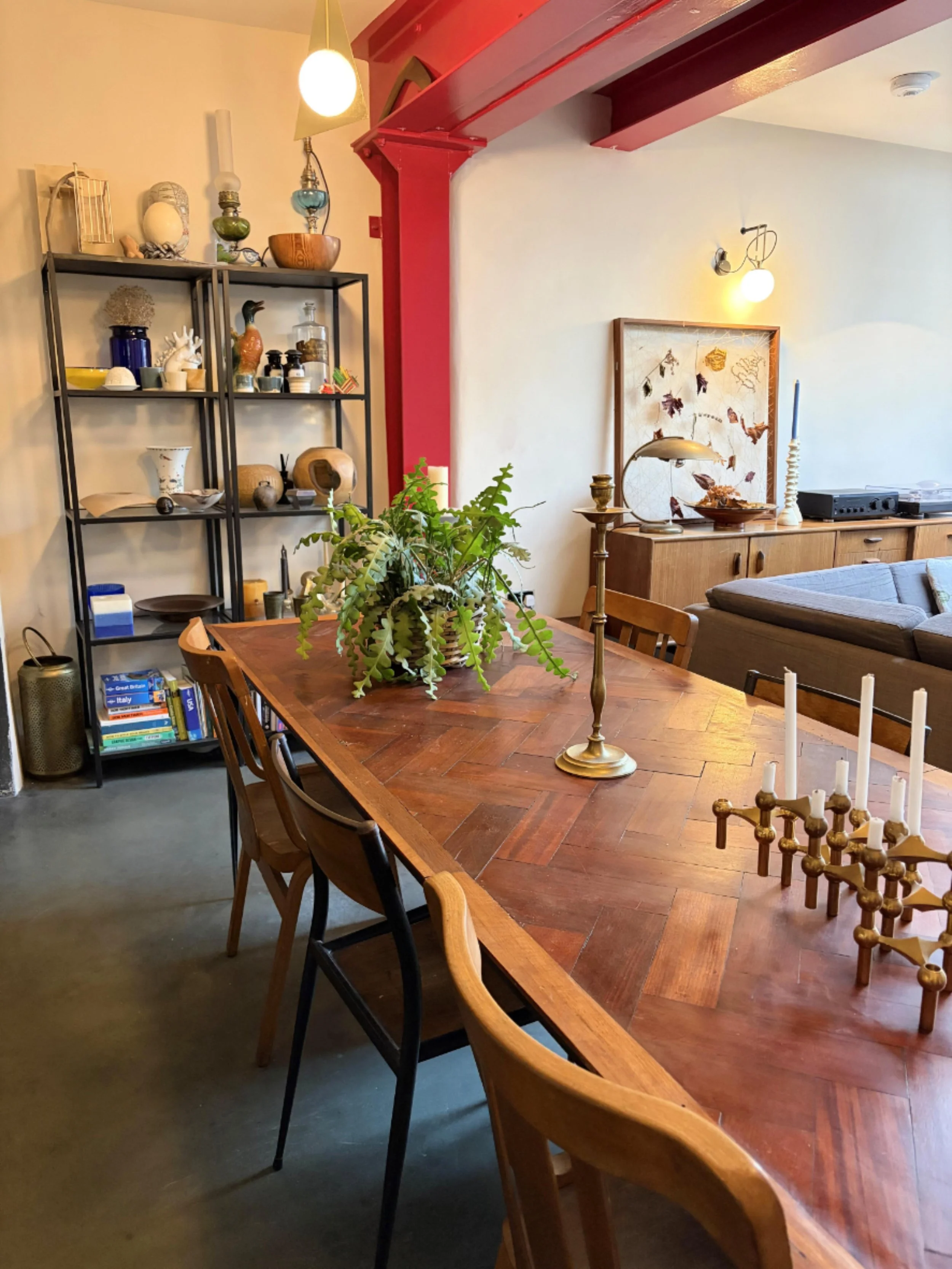
We often talk about interiors in terms of style — modern, traditional, minimalist, maximalist — but rarely in terms of meaning. Most of us know the feeling of walking into a space and instantly relaxing — not because it is perfect, but because it feels lived-in, familiar, and comforting. It might be a room that holds memories, a favourite pub with a cosy nook, or a home where nothing matches yet everything feels right. These are the spaces we want to return to. They are not defined by style, but by a relationship between people and place.
Whether a space is a home, a café, a pub or an independent shop; meaningful interiors respond to how a space is actually used — to memory, routine, comfort, and change over time. They allow for imperfection, wear, and repair. They prioritise how a room feels over how it photographs.
This kind of meaning cannot be bought quickly or replicated broadly; it accumulates slowly, through attention and care.
Environmental psychologists describe this process as place attachment: the emotional bond people form with spaces through use, familiarity, and personal investment (Altman & Low, 1992; Scannell & Gifford, 2010). We feel most attached to rooms we have actively shaped — where objects carry memory, where furniture has been adapted or repaired, where things have been arranged to suit real life rather than an imagined ideal.
Meaning comes from story. Research shows that familiarity and visible signs of use strengthen attachment (Lewicka, 2011). A well-worn chair, a favourite mug, an inherited sideboard — these pieces hold history rather than just aesthetic value.
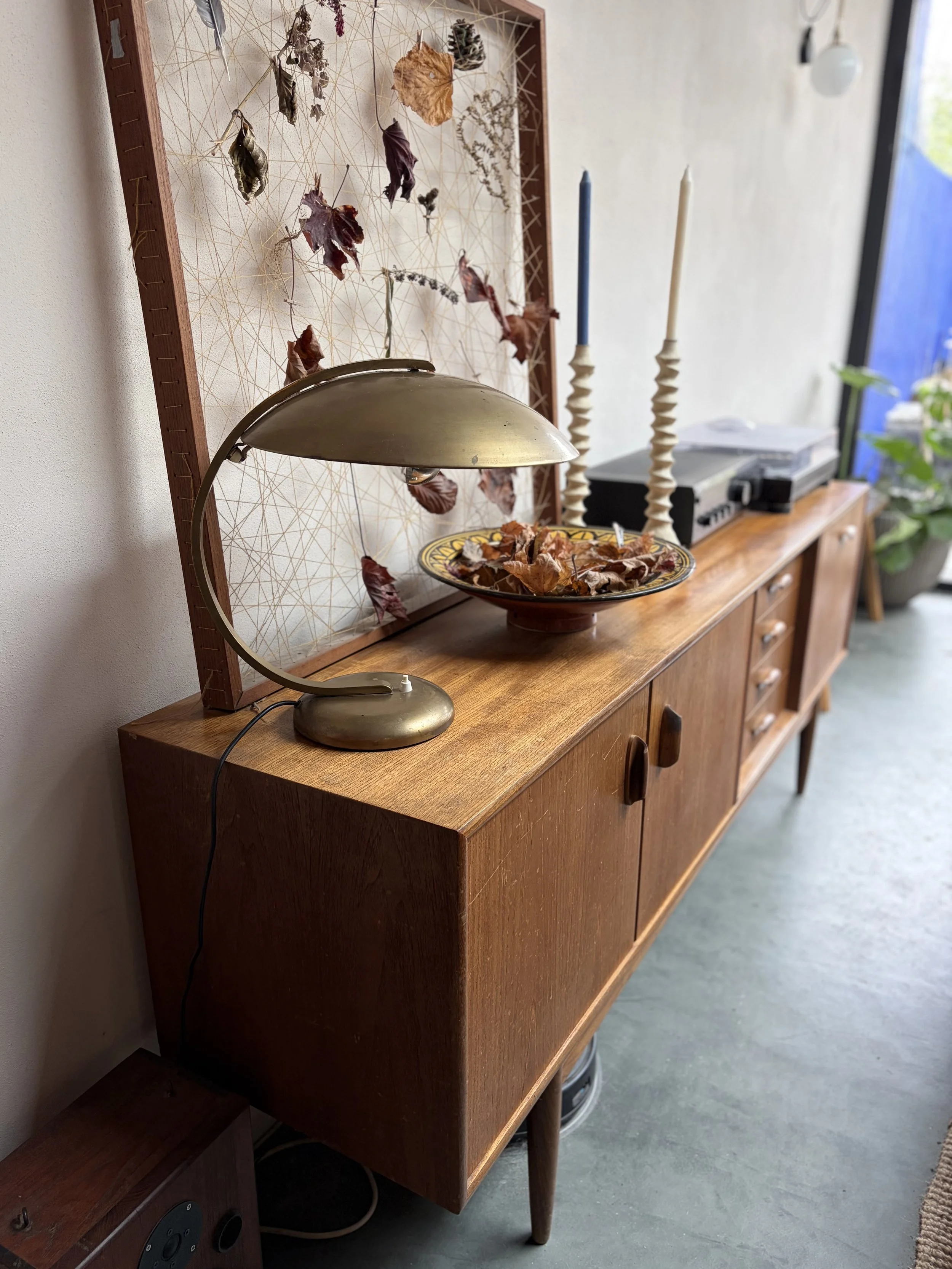
A sideboard inherited from my grandma which is very precious to me
Yet much of contemporary interior culture pushes in the opposite direction. Home magazines, social platforms, and makeover shows promote the idea of the “finished” interior: a space that is polished, complete, perfect. But real homes do not transform in 48 hours, and life does not unfold in curated snapshots. Homes grow slowly. They change as people age, relationships shift, children arrive, work patterns alter, and priorities evolve.
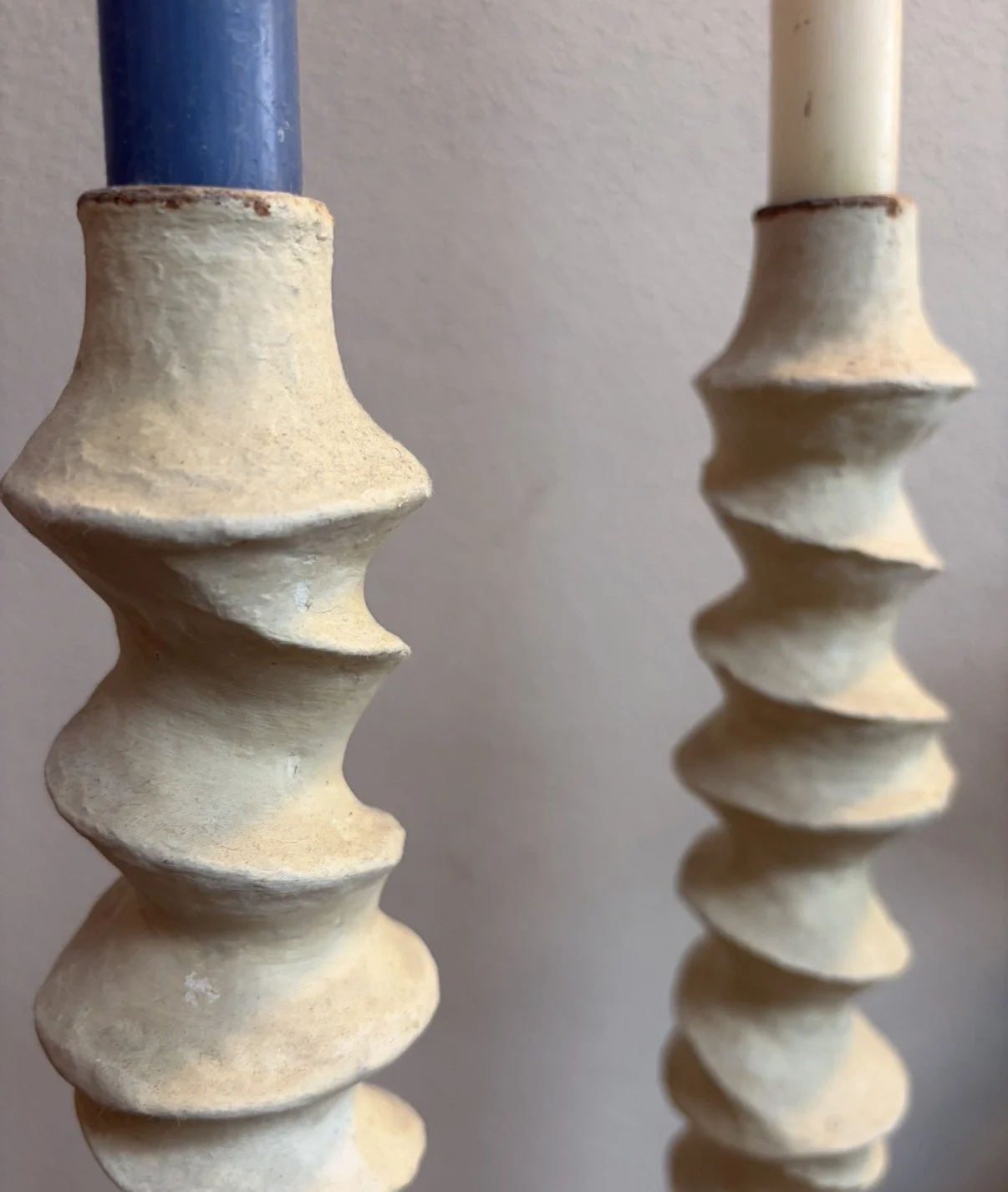
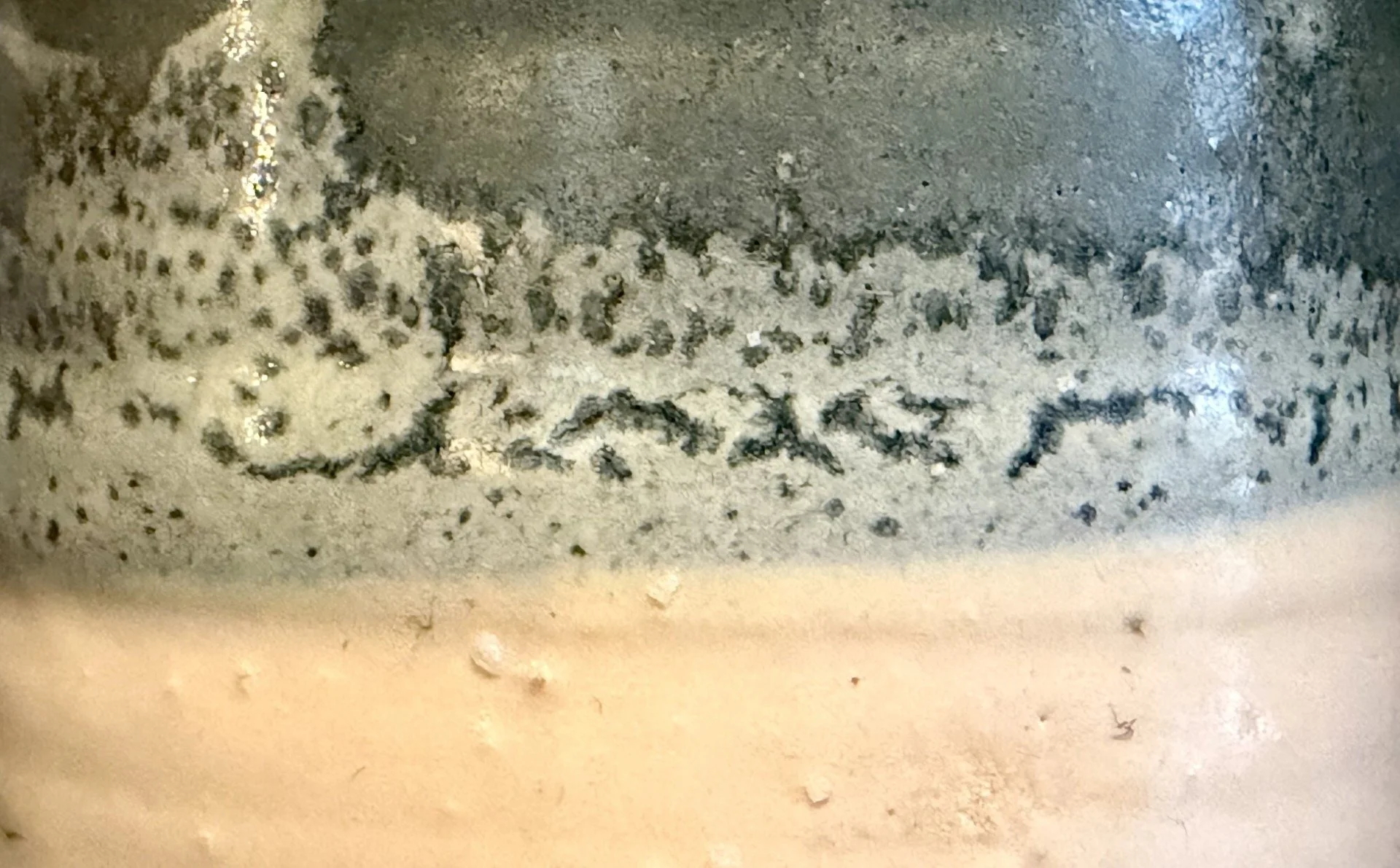
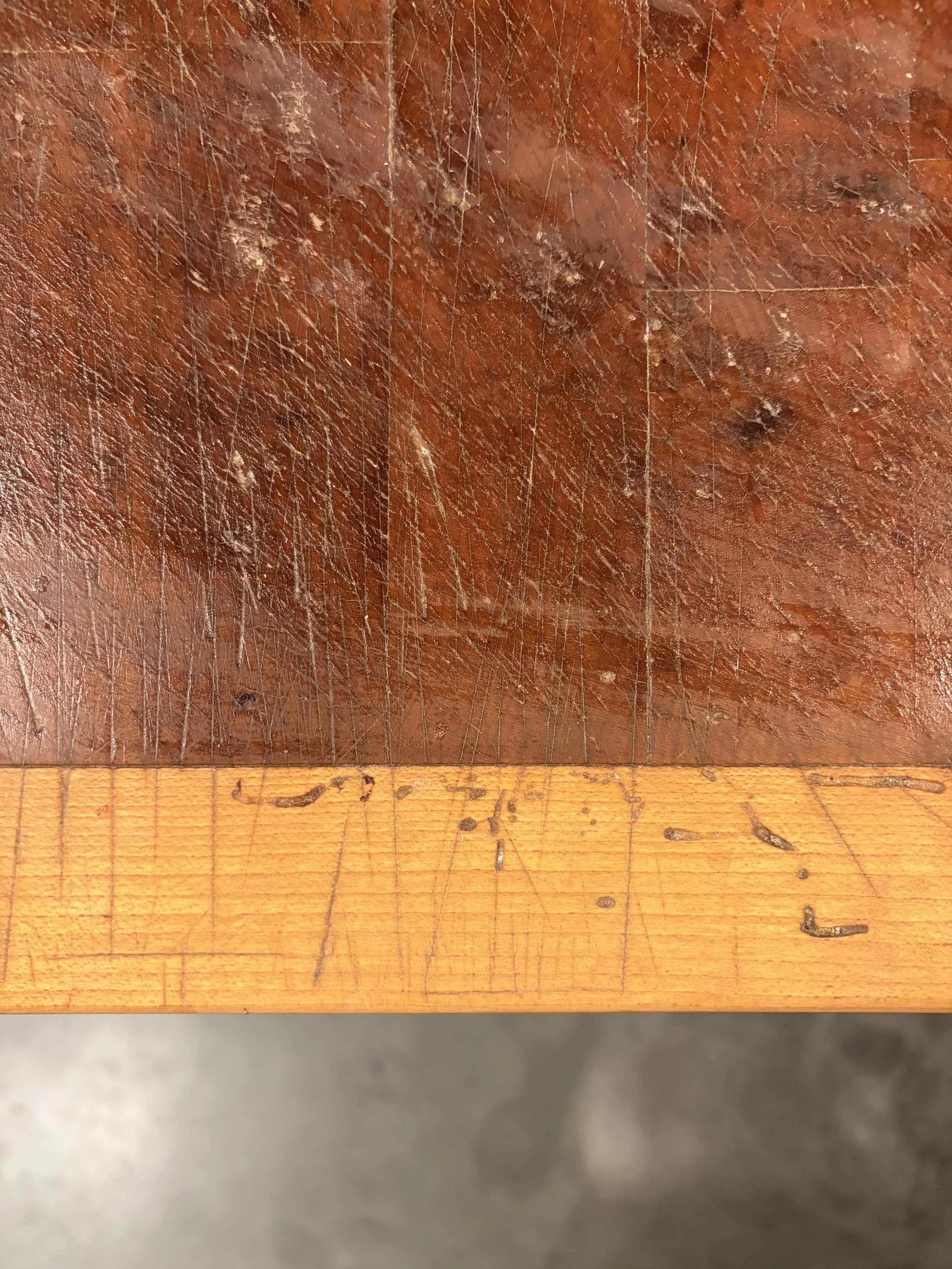
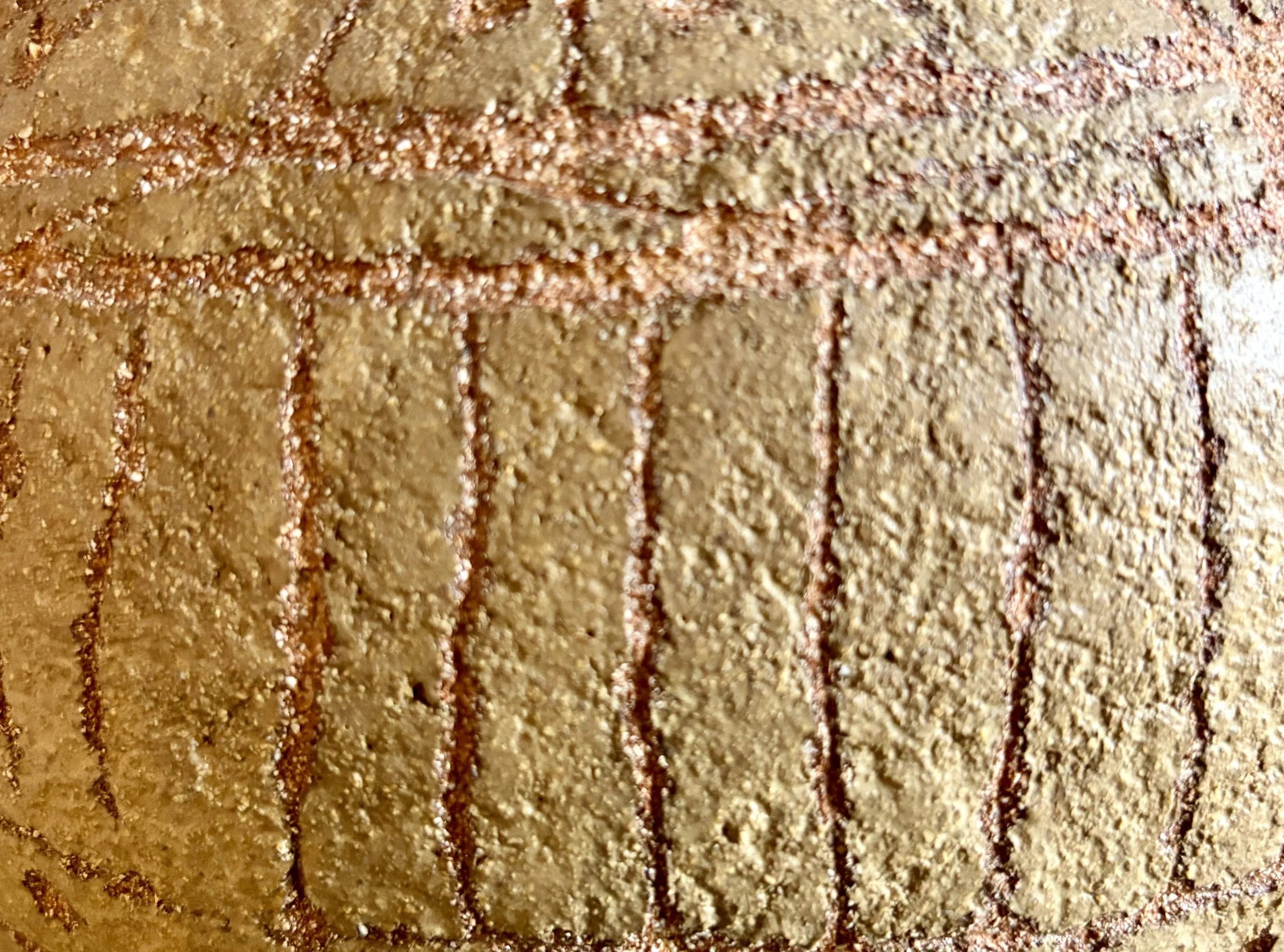
Items with character, gained through use or from being handcrafted
In the same way, independent cafés, favourite pubs, and local shops often feel warm and characterful because they hold layers of history. They are shaped by years of use – we often talk about places like this having a soul.
Chain restaurants, shops and coffee shops, by contrast, may be attractive and functional but often don’t feel meaningful. Even when they attempt to introduce “local touches,” such as community notice boards or pictures of local landmarks, the effect is often superficial. Meaning cannot be rolled out at scale.
INSERT IMAGES: INDEPENDENT PUB VS CHAIN RESTAURANT
For those of us on a budget, and renters especially, having an imperfect space is unavoidable: inherited carpets, mismatched fixtures, awkward layouts, restrictions on decorating. We’re not about to throw it all out and start again, and we shouldn’t - in many cases, working with what we have invites more creativity, ingenuity, and authenticity. Meaning develops not from achieving a flawless aesthetic, but from use, adaptation, and care.
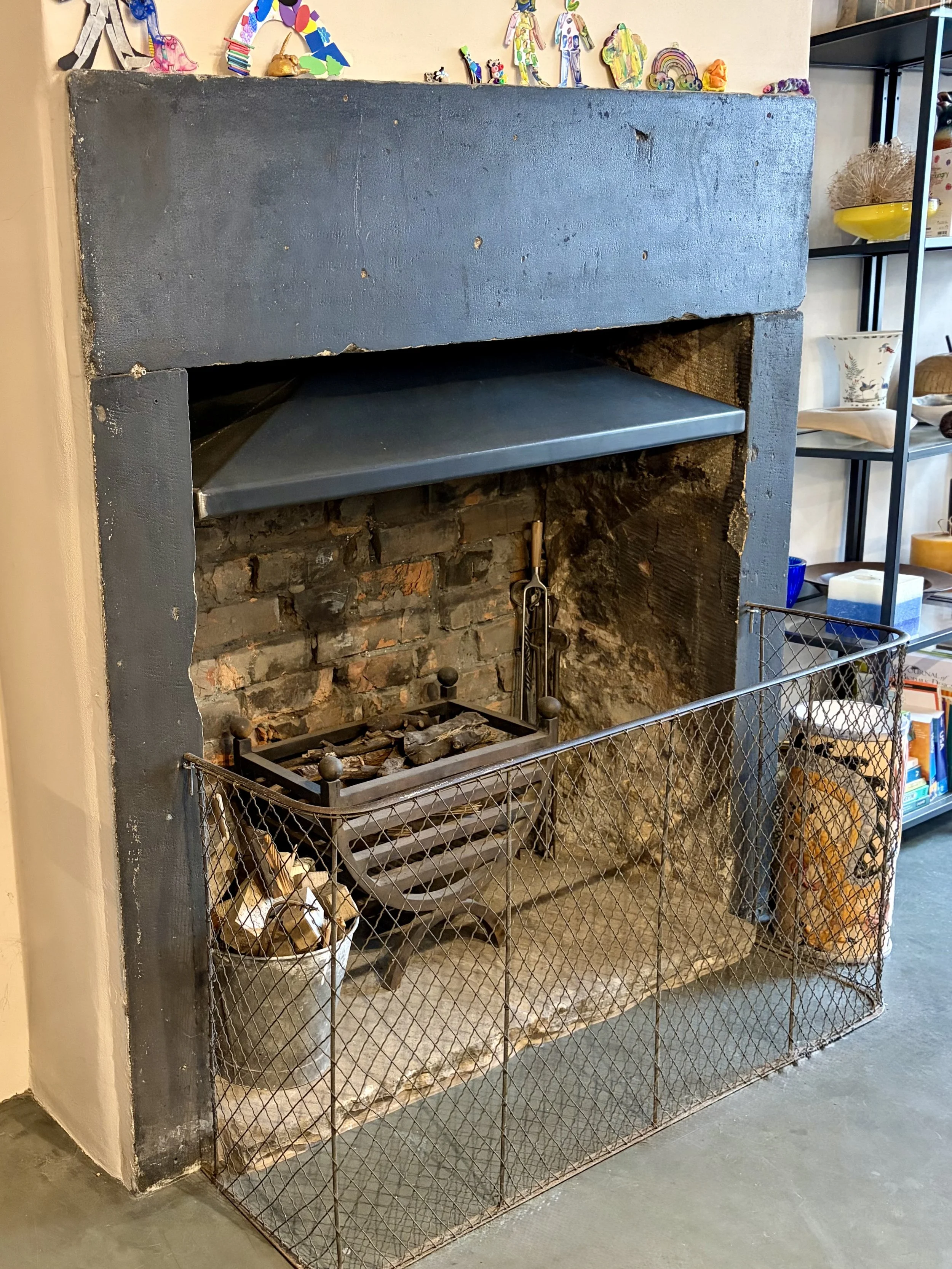
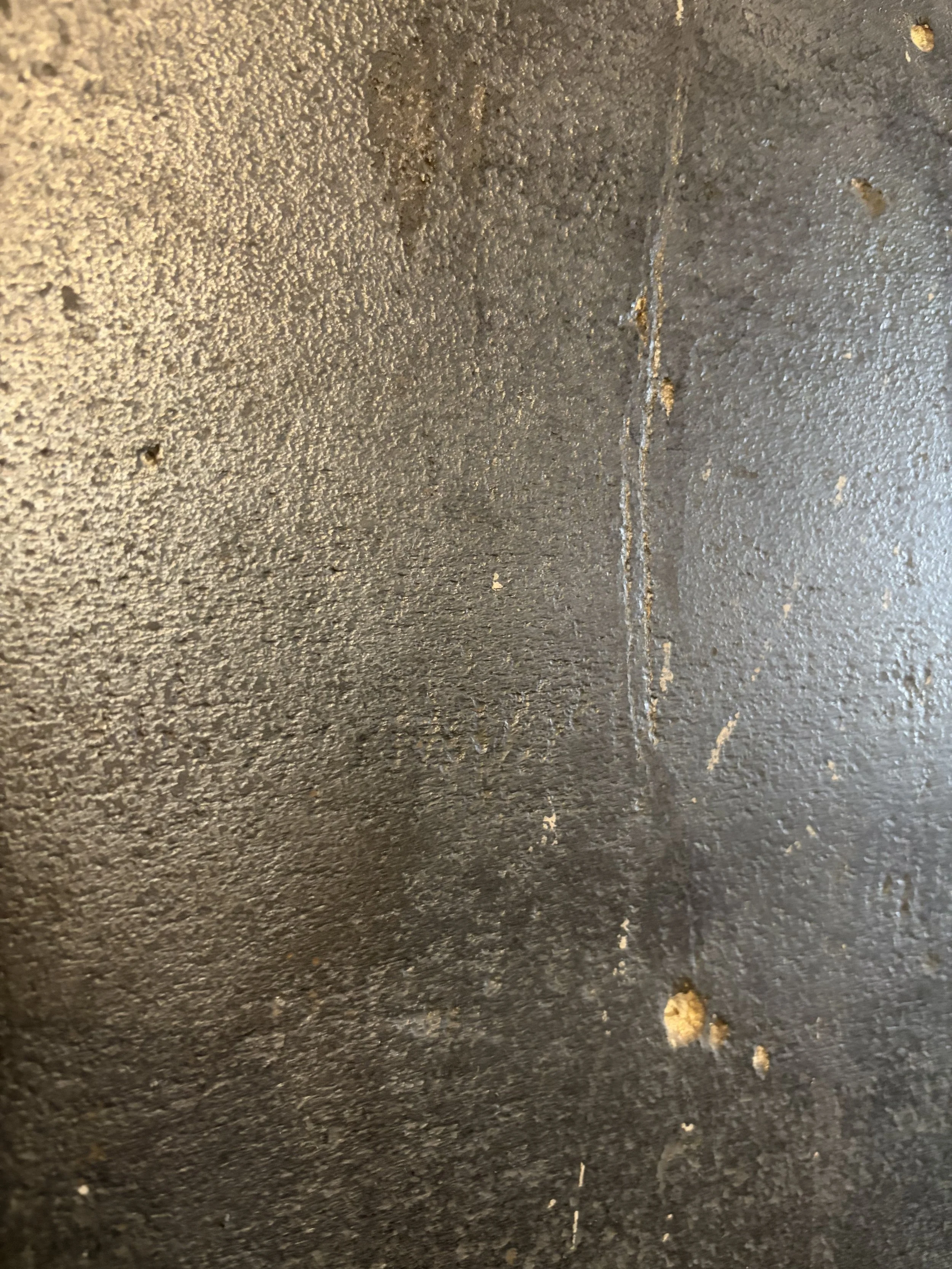
Our fireplace which we have kept as is, wear and all
Big brand interiors retailers benefit from the feeling that you’re only ever one purchase or update away from perfection, or that you need to get rid of everything and start again. But usually we don’t need more things – we need to use the things we already own more meaningfully: rearranging rooms, repurposing furniture, repairing worn pieces, combining objects in new ways, or simply living with them long enough for familiarity to develop. Creativity, not consumption, is what deepens attachment and meaning. When we work with what is already present, we reduce waste while strengthening our relationship with our spaces.
When we do bring new pieces into our spaces, understanding their origin matters.
An antique, a piece made by a local craftsperson, or an object with a known material story fosters deeper attachment than a quick, anonymous purchase from a fast-interiors retailer. Sociologists and consumer researchers note that knowing how an object was made, who made it, or where it came from increases perceived value and encourages care (Appadurai, 1986; Chapman, 2015). Objects become harder to discard when they carry knowledge and effort. Objects that are cared for, repaired, and kept in use for longer reduce demand for extraction, manufacturing, transport, and waste. Supporting independent makers, local craftspeople, and genuinely responsible businesses also shifts value away from scale and speed toward skill, care, and accountability. It reconnects interiors to human labour and ecological limits.
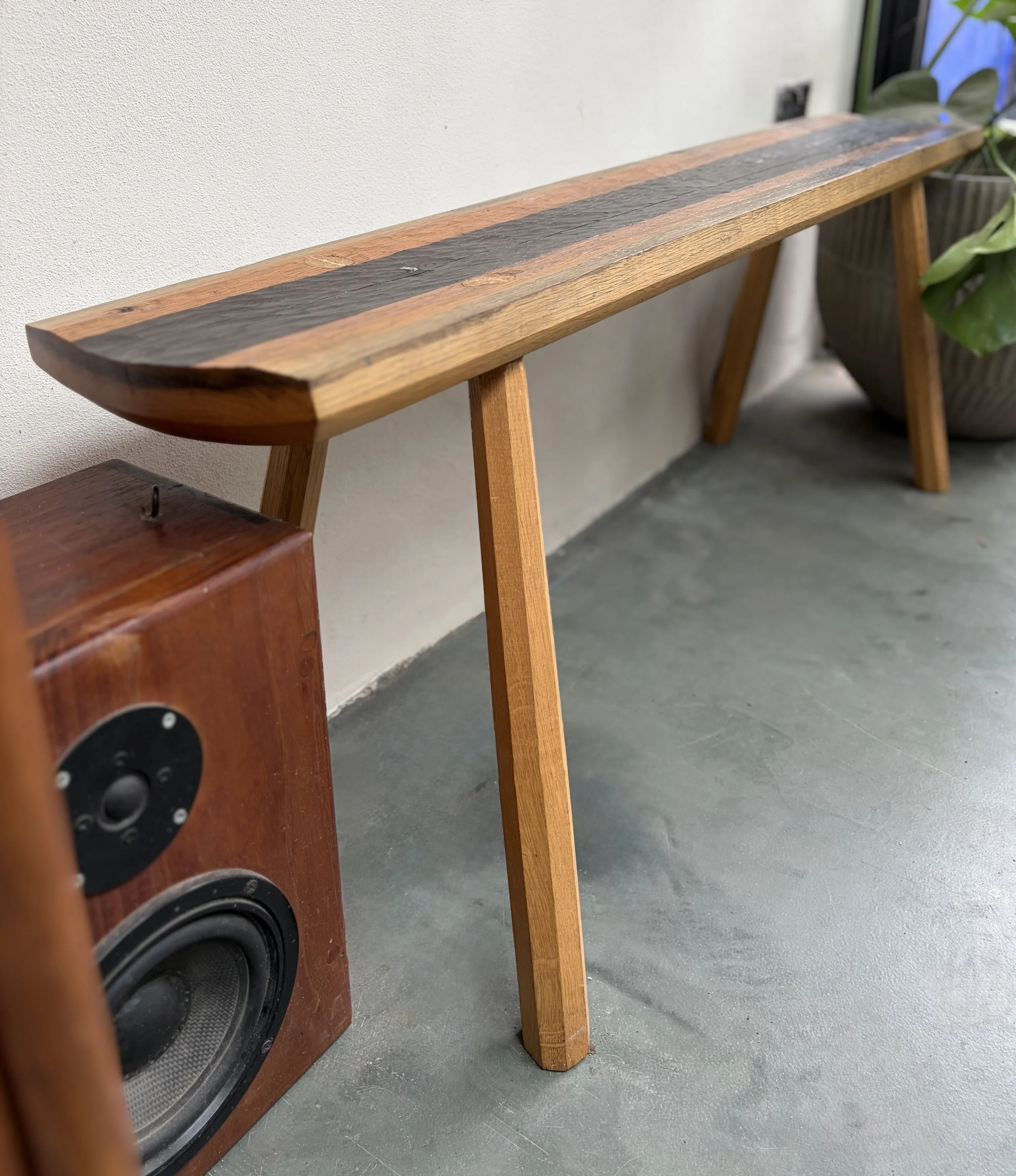
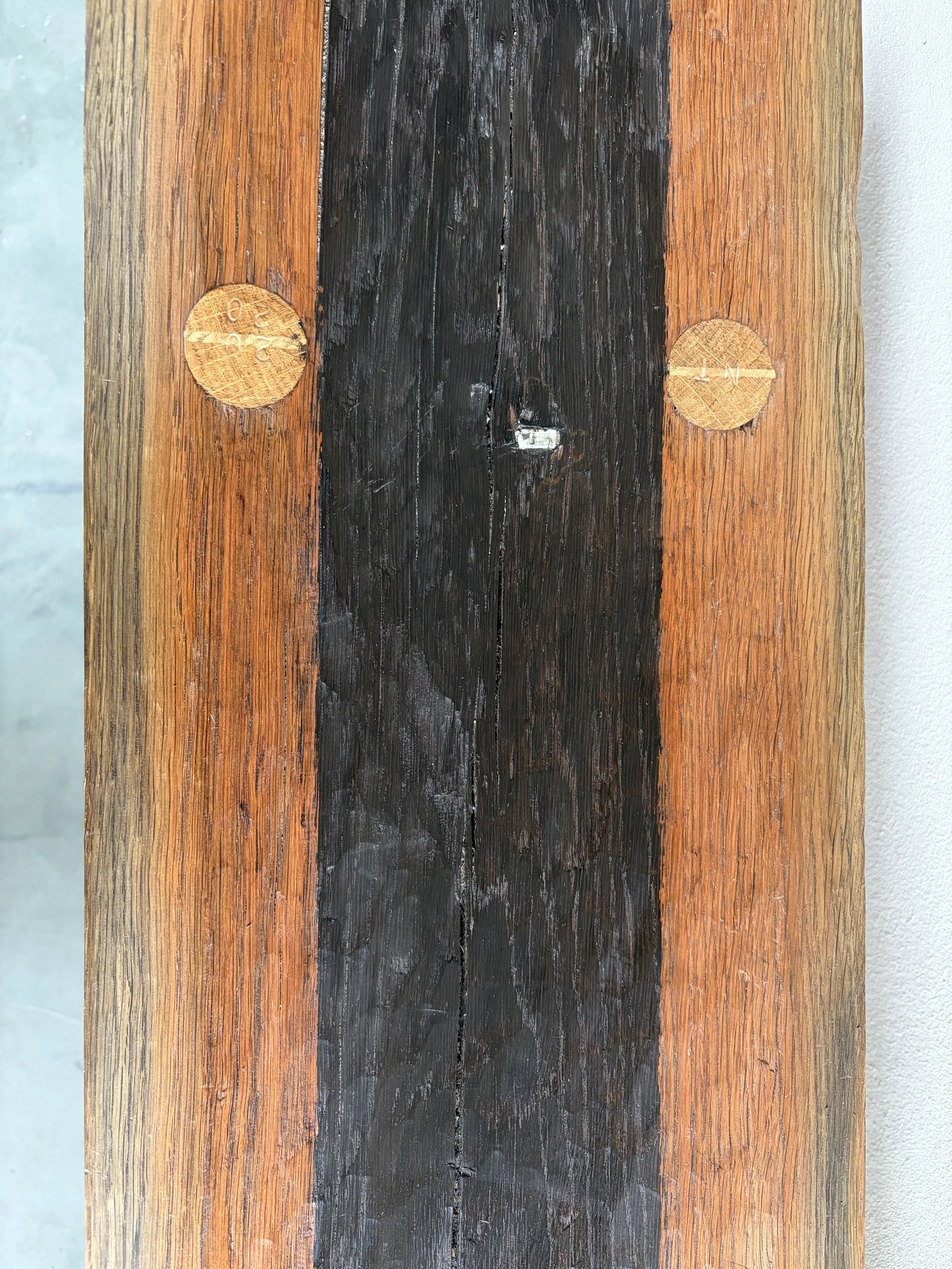
A bench we bought from a local craft fair that was handmade from old whiskey barrels
Meaningful interiors are not created through a single design decision, but through small, intentional choices made over time. Here are some ways to begin shaping spaces that feel more personal, grounded, and lasting:
Personalise your space deliberately
Boldly decorate spaces using colours and patterns you love, and display objects, photos, artwork, and books that reflect your history, identity, values, and daily life — not what is currently trending or expected.Repair, adapt, and maintain what you already own
Fix furniture, patch textiles, or rework items rather than replacing them at the first sign of wear.Make things for your home
Build, sew, paint, or assemble objects yourself, however imperfectly. The value lies not in perfection, but in participation.Choose fewer, better-considered additions
When you do buy something new, seek out pieces with known origins: antiques, local makers, responsible brands. Knowing where something comes from deepens attachment and reduces disposability.Allow traces of life to remain visible
Accept scuffs, fading, patina, and repair as evidence of use rather than flaws to be erased.
These practices may appear small, but collectively they shift interiors away from disposability and towards care.
In a system that profits from novelty, dissatisfaction, and speed, choosing to create more meaning within our spaces is not just personal — it’s quietly radical.
References
Altman, I., & Low, S. (1992). Place Attachment. Springer.
Scannell, L., & Gifford, R. (2010). Defining place attachment: A tripartite organizing framework. Journal of Environmental Psychology.
Lewicka, M. (2011). Place Attachment: How Far Have We Come? Journal of Environmental Psychology.
Chapman, J. (2015). Emotionally Durable Design. Routledge.
Appadurai, A. (1986). The Social Life of Things. Cambridge University Press.
I'm Michelle — founder of Earth & Origin, and I believe the way we design and care for our spaces is part of how we build a better relationship with the natural world, and a better future for our communities. If you've read this far, you might enjoy my others posts below — or subscribe to the newsletter for new writing when it lands.