A beginner’s guide to choosing sustainable materials for nature-first interiors
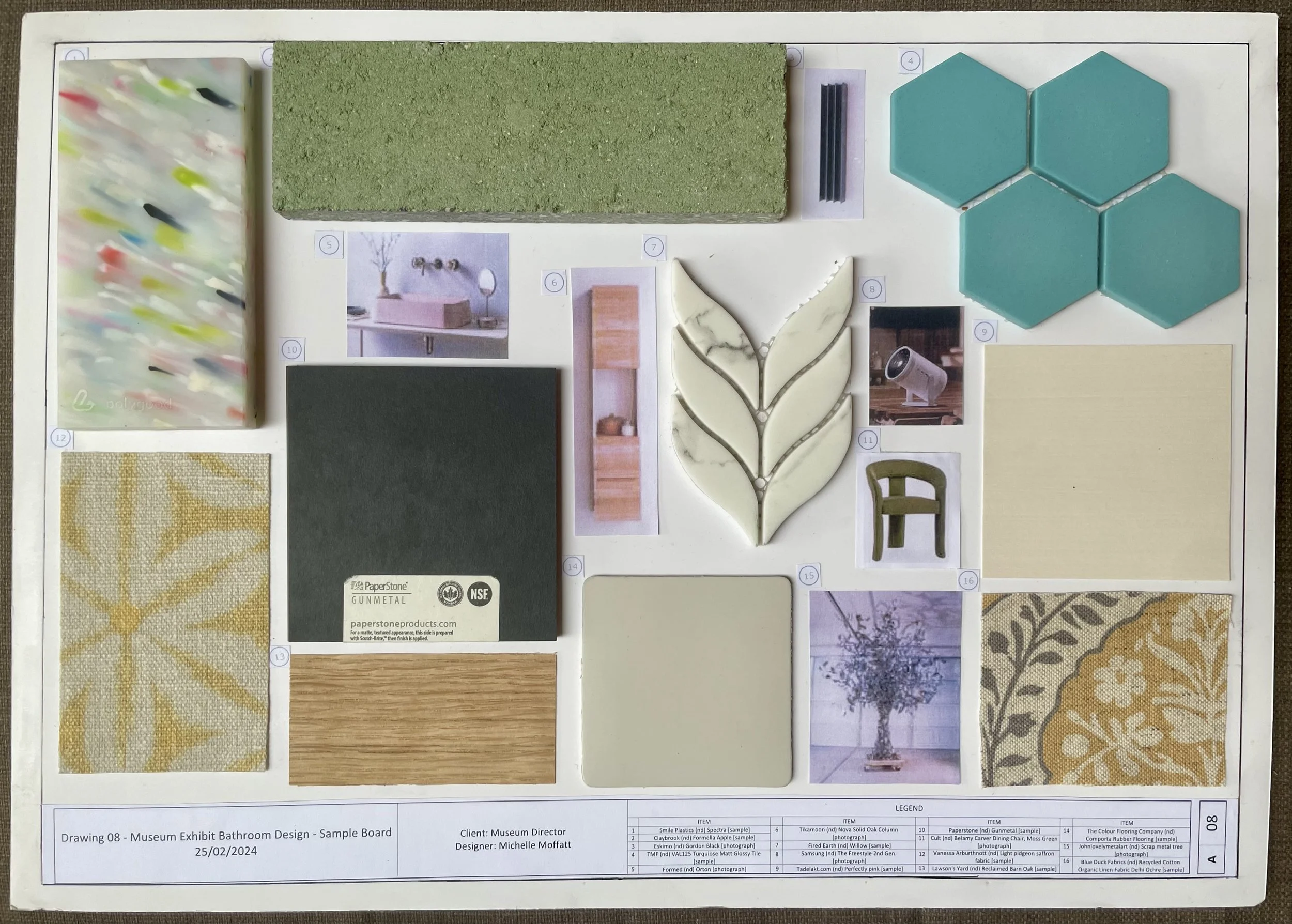
How to choose materials that support nature, as well as human health and lasting design
A couple of years ago we extended our house. We'd had a fire, the kitchen was full of damp, and what started as necessary repair work became something bigger — knocked down walls, new space, an open plan living environment we're genuinely grateful for. But I hadn't anticipated the sheer volume of materials involved – and the waste. The amount of stuff the builders put straight into the skip without a second thought. Watching that unfold — standing in my own home, watching potentially usable, often non-biogradable, sometimes toxic materials disappear into landfill, and knowing the impact that could have for nature — made me start to see the built environment differently. Not as a finished ‘after photo’ but as an accumulation of material decisions that affect human and ecological health. I realised that most of us, myself included, make those decisions without nearly enough information.
That experience is part of what led to Earth & Origin, and it's why I think material literacy matters — not as a technical concern for specialists but as something anyone making decisions about the design of a space should understand. Every material — from flooring and wall finishes to furniture and textiles — carries environmental, health, and social impacts before it even reaches your home, community space or business. Choosing better materials affects indoor air quality, human wellbeing, resource extraction, carbon emissions, waste generation, the health of the natural world and nature connection. This guide outlines practical principles to help you get started with better material choices.
1. Material Transparency Is Fundamental
You can’t manage what you don’t measure: sustainable materials start with transparent information about what they contain, how they are made, and where they come from.
Experts emphasise transparency as the foundation of healthy material selection (Healthy Materials Lab, 2025; Williams, 2020). Without ingredient and lifecycle disclosures, harmful chemicals and embodied impacts can be hidden.
Look for:
Low‑VOC or VOC‑free labels — indicate reduced harmful emissions and better indoor air quality
Environmental Product Declarations (EPDs) — outline lifecycle impacts
Cradle to Cradle certification — assesses human and ecological health
Forest Stewardship Council (FSC) — certified responsible wood
If information isn’t available, that could be a red flag; opacity often hides significant health or environmental harm.


2. Prioritise Non‑Toxic, Low‑Emission Materials
Interior materials can emit volatile organic compounds (VOCs) and other pollutants that degrade indoor air quality and affect human health (Jones, 2022). Environmental health research links chronic exposure to certain VOCs with headaches, respiratory irritation, and cognitive impacts (Wolkoff, 2018).
Choose materials that minimise or eliminate harmful emissions:
Low‑VOC or zero‑VOC paints and finishes — better indoor air quality
Water‑based adhesives and sealants — lower toxic emissions
Natural fibre textiles (e.g., wool, cotton) — when processed with low chemical finishing
3. Renewable and Regenerative Materials Matter
Using materials sourced from renewable systems reduces pressure on finite resources and supports healthier ecosystems. Research champions materials that come from rapidly renewable sources — those that regrow within a human lifespan (Kibert, 2016).
Examples of renewable materials include:
Bamboo — rapidly renewable, durable alternative for flooring or surfaces (Singh, 2019), however its sustainability depends on how and where it’s grown and processed, so look for FSC-certified bamboo or transparent sourcing information.
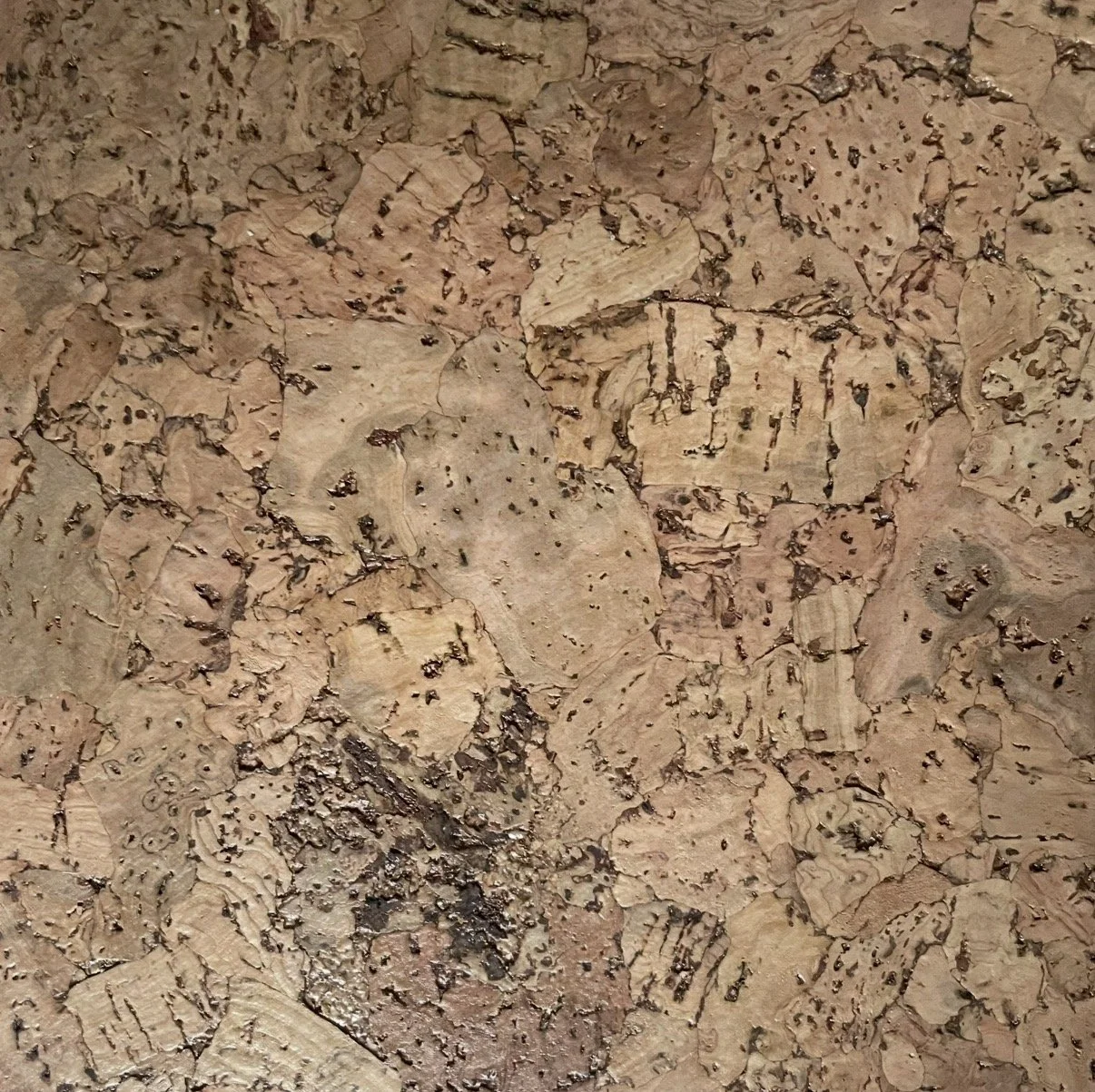
Cork — harvested without harming trees, excellent for floors and acoustics (Peters, 2020); again its sustainability benefits depend on responsible forest management and low-impact processing; FSC-certified cork ensures both ecological and social standards are met.
Hemp fibre and biocomposites — are renewable, fast-growing, and low-impact, improving soil health and sequestering carbon. Hemp biocomposites can reduce reliance on virgin plastics, but the environmental benefit depends on the resins used and the processing method. Non-chemically processed fibres and natural or certified resins maximize both ecological and social benefits.
Regenerative materials go further: they restore ecosystems through their cultivation or sourcing — for example:
Bamboo, cork, and hemp can support regenerative outcomes when responsibly grown
Responsibly managed wool supports soil health and biodiversity through regenerative grazing
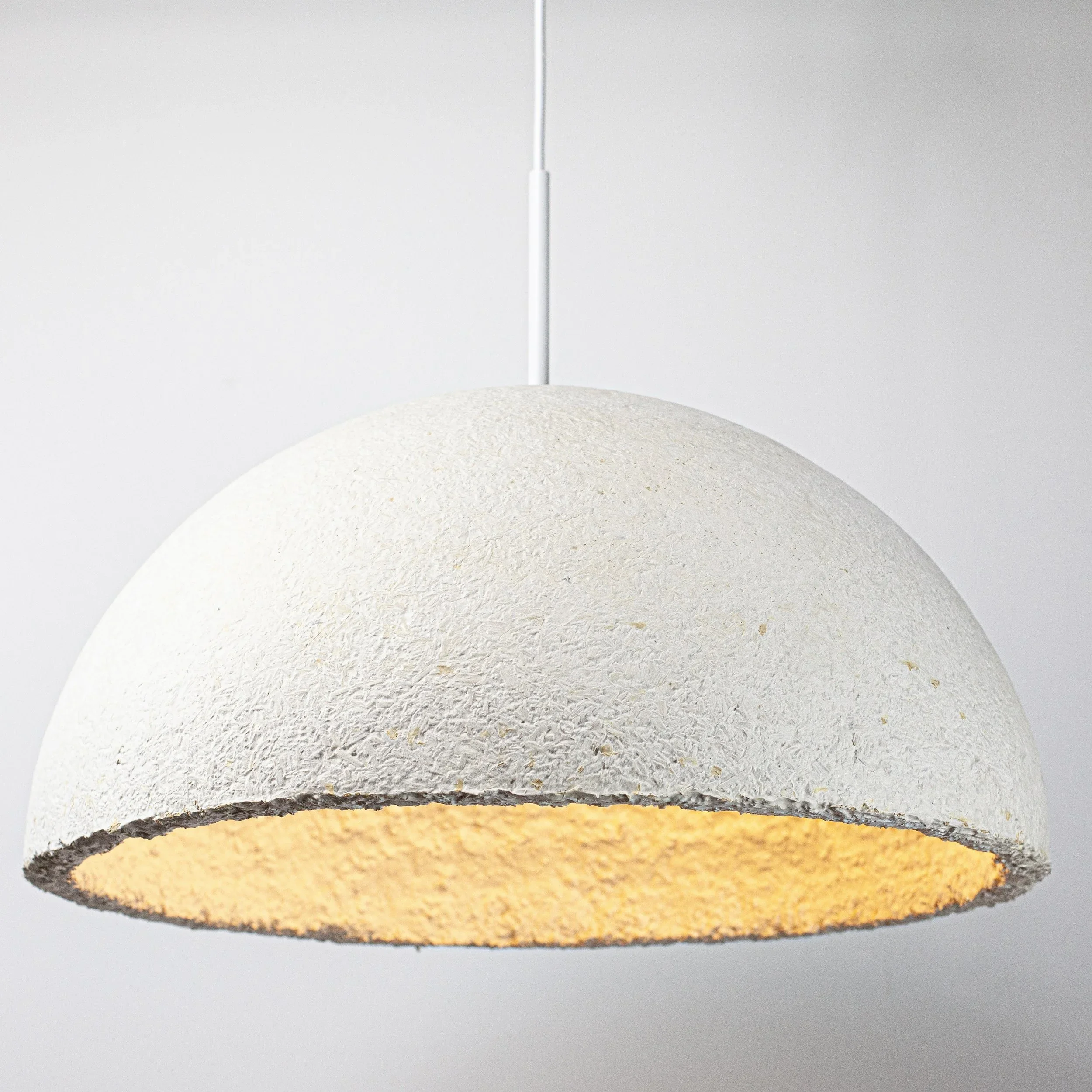
Mycelium-based composites (grown from fungi) absorb carbon during growth and are biodegradable.

4. Reuse, Reclaim, and Recycle First
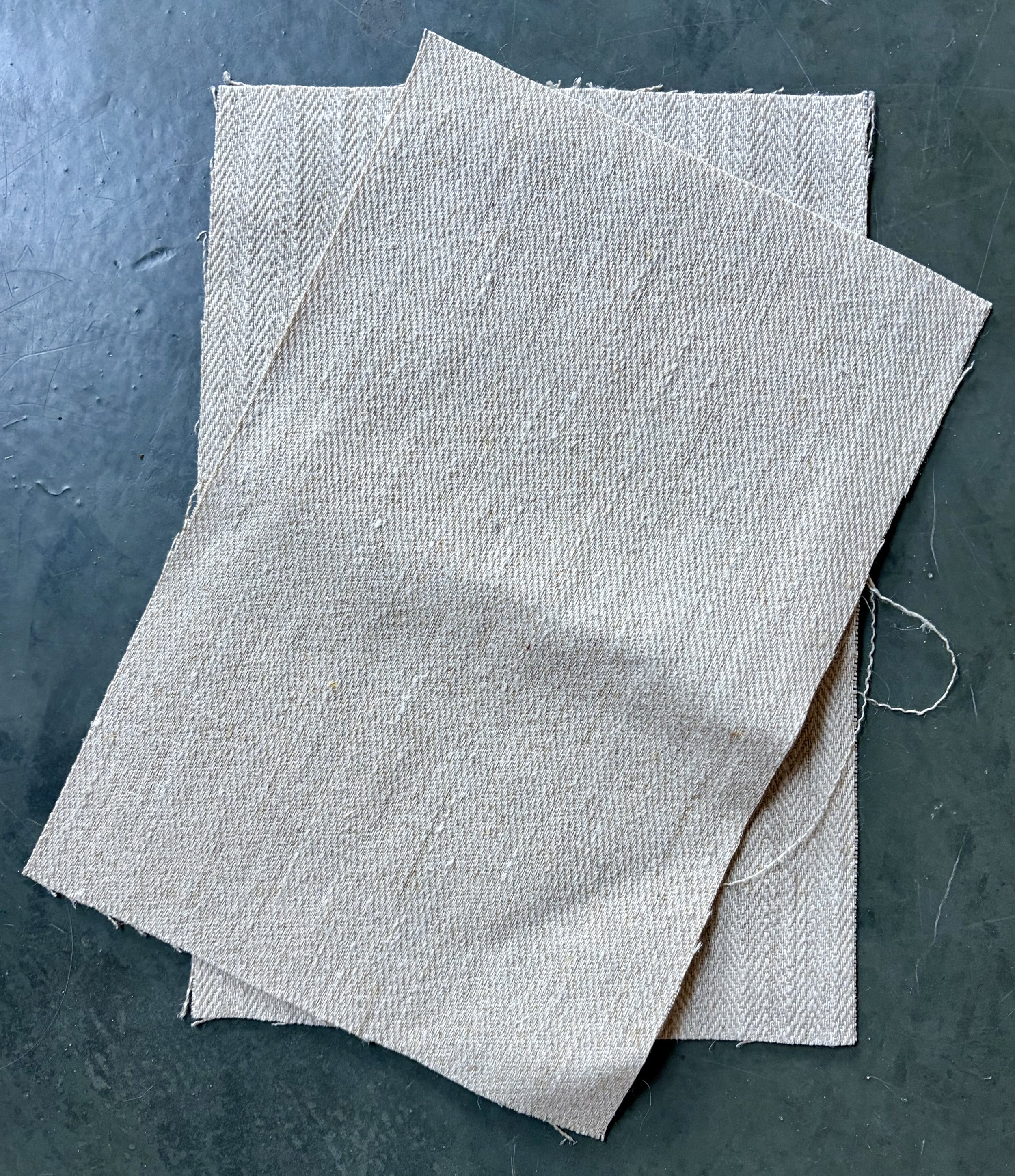
The most sustainable material is often the one that is already available: reuse, reclaim, and recycle before buying new. Circular design literature consistently emphasises that extending product life and reusing existing materials yields larger environmental benefits than most recycling processes alone (Stahel, 2016).
Practical options include:
Reclaimed wood
Salvaged tiles, metal, and glass
Vintage and antique textiles and furniture
Designers who prioritise reuse not only cut embodied carbon but also bring story and meaning into interiors, strengthening attachment and discouraging disposability (Chapman, 2015).

5. Consider Embodied Carbon and Lifecycle Impacts
Every material carries embodied carbon — greenhouse gas emissions from extraction, processing, transport, installation, maintenance, and end‑of‑life (Rosenfeld, 2020). Sustainable design research highlights that embodied emissions can account for a large percentage of a building’s total lifecycle carbon, especially when materials are replaced frequently (Ding, 2004).
Strategies to reduce embodied carbon include:
Choosing local materials to reduce transportation emissions
Designing for longevity to reduce premature replacement
Selecting materials with lower embodied emissions (e.g., low‑carbon concrete alternatives, natural insulation)
Tools such as lifecycle assessment (LCA) help quantify these impacts, empowering informed choices based on actual carbon data rather than assumption.

When renovating our basement, we chose an EPD certified lime and cork plaster, which is highly insulative, breathable and prevents damp in old buildings
6. Equity and Human Health at the Centre
Sustainable materials are not just environmental choices — they are human health choices. Research shows that toxic exposures in buildings disproportionately affect vulnerable populations, including children, maintenance workers, and frontline installers (Bullard, 2007).
Health‑focused material frameworks such as The Six Classes Approach to Reducing Chemical Harm (https://www.sixclasses.org/) help identify and avoid groups of chemicals linked to long‑term health and environmental harm, while health-focused material standards seek to reduce harm by restricting chemicals known to contribute to asthma, endocrine disruption, and chronic illness (Healthy Materials Lab, 2025). Sustainable interiors are safer for everyone — occupants, builders, and communities.
7. Understand Limitations and Trade‑Offs
No material is perfect, and every choice involves trade‑offs. For example:
Natural materials like wood or cork may require maintenance and care to prevent moisture damage
Reclaimed materials can vary in performance and consistency
Certified materials may cost more upfront, though they often save health costs long‑term
Research emphasises that sustainable material selection should be contextual — informed by performance, climate, health priorities, and lifecycle thinking (Edwards, 2019).
Conclusion: Sustainable materials for nature-first interiors
Sustainable materials create interiors that reduce ecological harm, improve indoor air quality, support wellbeing, and help close the gap between everyday living and environmental responsibility. They also remind us that design is never only about how a space looks in the moment; it is about what that space asks of the earth, of the people who make it, and of the people who live in it. A nature-first approach begins with better questions: What is this made from? Who and what does it affect? How long will it last, and what happens when it is no longer needed? By choosing materials with greater care, we help protect soils, waterways, forests, and biodiversity, giving the natural world more opportunities to recover and thrive.
References
Allen, J.G., MacNaughton, P., Satish, U., Santanam, S., Vallarino, J., & Spengler, J.D. (2016) Associations of Cognitive Function Scores with Carbon Dioxide, Ventilation, and Volatile Organic Compound Exposures in Office Workers.
Bullard, R.D. (2007) Growing Smarter: Achieving Livable Communities, Environmental Justice, and Regional Equity.
Chapman, J. (2015) Emotionally Durable Design.
Ding, G.K.C. (2004) The Development of a Multi‑Criteria Approach for Building Performance Assessment.
Edwards, B. (2019) Rough Guide to Sustainability: A Design Primer.
Fisk, W.J. (2017) The Importance of Indoor Air Quality to Healthy Buildings.
Healthy Materials Lab (2025) Healthy Materials Principles and Research.
Jones, A.P. (2022) Indoor Air Quality and Health.
Kibert, C. (2016) Sustainable Construction: Green Building Design and Delivery.
Mendell, M.J. & Heath, G.A. (2005) Do Indoor Pollutants and Thermal Conditions in Schools Influence Student Performance?.
Peters, M. (2020) Sustainable Use of Cork in Interiors.
Pickering, K., Aruan Efendy, M.G., & Le, T.M. (2016) A Review of Hemp as a Reinforcement in Composite Materials.
Rosenfeld, A.H. (2020) Embodied Carbon and Building Materials.
Saunders, R. & Miller, T. (2019) Impact of Material Transparency Tools on Design Decisions.
Singh, R. (2019) Bamboo as a Sustainable Building Material.
Six Classes Approach to Reducing Chemical Harm: https://www.sixclasses.org/
Williams, D.E. (2020) Material Transparency and Health.
Wolkoff, P. (2018) Indoor Air Pollutants in Office Environments: VOCs, Ozone, and Short‑Term Irritation Effects.