Nature connected interior design: why it matters - and a practical framework
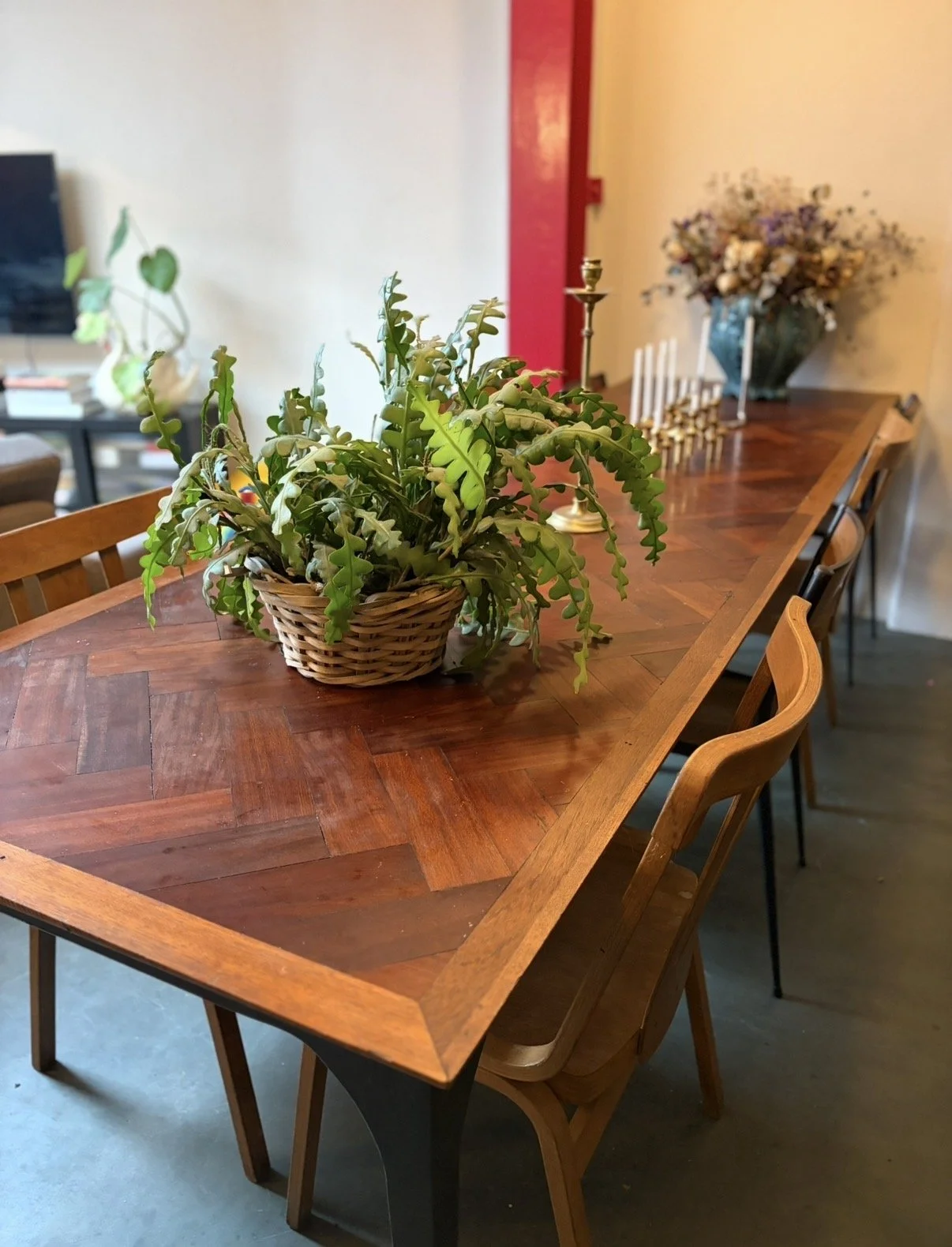
When you walk into a room that instantly feels calm, it’s often not the furniture or paint alone that creates that feeling — it’s the subtle presence of nature. Research shows our connectedness to nature profoundly shapes our wellbeing, mental functioning, behaviour, and even sustainability choices.
Yet as daily contact with nature has declined, particularly within urban and domestic life, opportunities to build and sustain this connection have become increasingly limited. In this context, our interiors take on renewed importance, having the potential to support not just comfort or function, but an ongoing relationship with the living world.
What is nature connectedness?
The University of Derby’s Nature Connectedness Research Group was among the first team to study this concept systematically. Their work emphasises that nature connectedness goes far beyond simply being near green space — it’s about feeling connected, valuing nature, and engaging with it in meaningful ways that support wellbeing and pro‑environment behaviour.
A large systematic review they conducted found people with stronger nature connectedness experience not just momentary pleasure, but deeper forms of wellbeing known as eudaimonic wellbeing: meaning, personal growth, and positive functioning in life. They also found nature connection is correlated with lower stress, improved mood, better cognitive performance, enhanced emotional regulation, and reduced anxiety and depression — effects that accumulate with sustained engagement rather than fleeting exposure (Sheffield, Butler & Richardson, 2022).
The urgency of reconnection
Recent research suggests that human connection to nature has declined by more than 60% over the past two centuries, largely due to urbanisation and fewer opportunities for children to learn about and connect with nature through family life (Richardson, 2025). When everyday experiences of nature disappear, people’s wellbeing suffers, care for the environment declines, and shared cultural norms around protecting nature begin to fade. Nature connectivity in interiors is therefore more than a design trend — it’s a psychological and ecological necessity.
Interiors designed with nature at their heart can support wellbeing, slow consumption, nurture pro‑nature behaviour, and reconnect us to the living world we are part of.
As everyday contact with nature diminishes, our homes, community spaces and workplaces become powerful and immediate places to restore that connection through daily experience.
Biophilic design: a bridge between nature and interiors
One of the most influential design responses to this growing disconnection has been biophilic design. Rooted in the biophilia hypothesis, first articulated by biologist Edward O. Wilson and later developed for the built environment by Stephen R. Kellert, biophilic design is based on the idea that humans have an evolved affinity with life and natural systems.
Put simply, biophilic design seeks to bring nature into our buildings and homes in intentional ways that promote health, wellbeing, and connection. Kellert’s framework (2008) distinguishes between three broad modes of engagement:
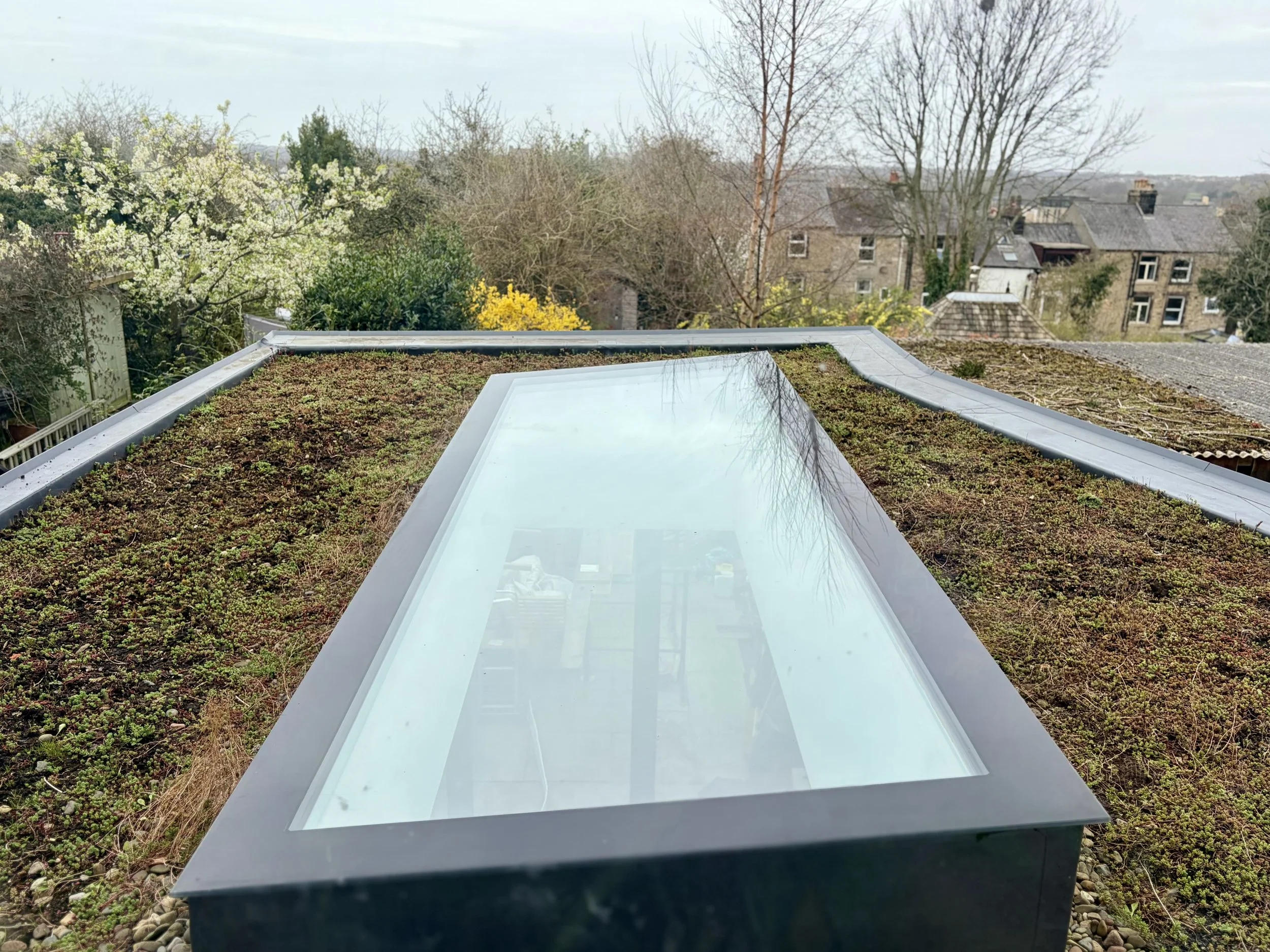
Direct experiences of nature — living plants, water features, daylight, airflow;
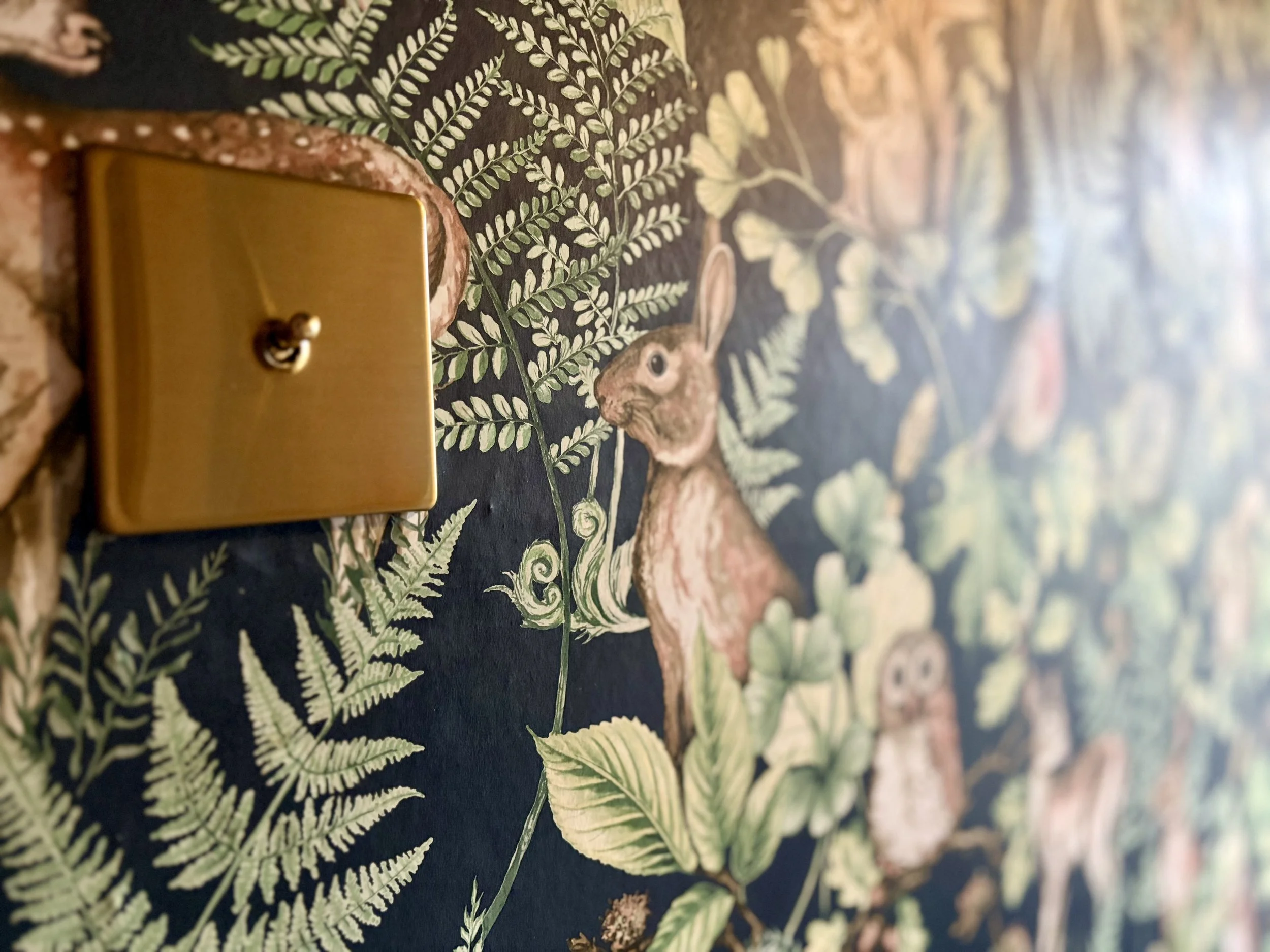
Indirect references to nature — natural materials, colours, textures, images of nature;
Spatial experiences — echoing how we evolved in nature and therefore triggering an instinctive response e.g. views to see out and ahead, cosy ‘refuge’ areas, winding paths or partial obstructions that create a sense of anticipation and curiosity.
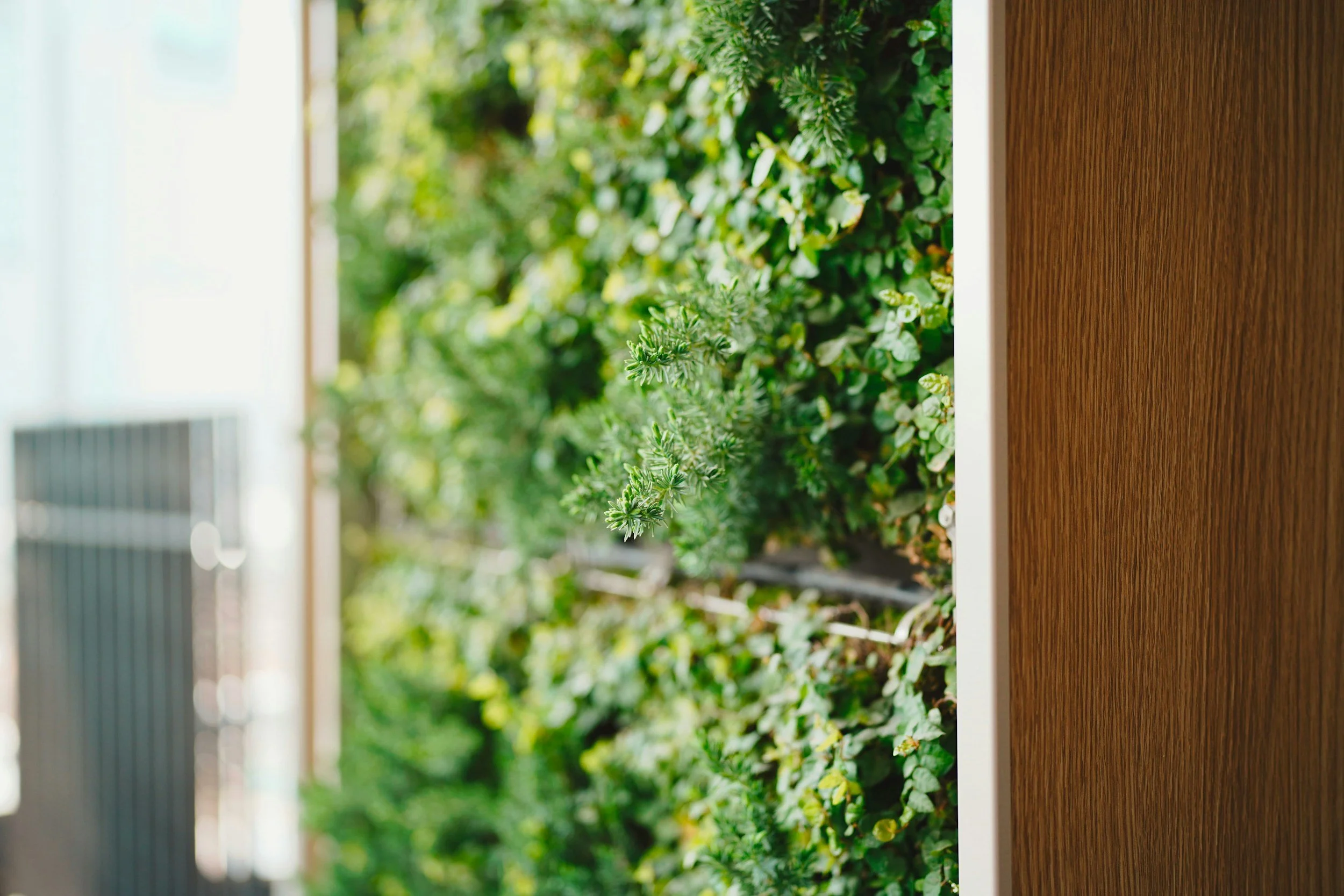
Research into biophilic design shows even brief exposure to nature‑based elements — such as a living wall or natural forms — can reduce stress and support relaxation (Scientific Reports, 2025).
Bringing nature-connectedness and biophilic design together
The University of Derby’s Nature Connectedness Research Group argue that biophilic design research has largely focused on the human wellbeing benefits of including natural elements in the built environment, and that more transformative design emerges when nature connection is placed at its centre. This suggests that interiors should support repeated engagement, emotional attachment, and meaningful interaction with natural processes, moving beyond surface-level, decorative or static applications of nature. This reframes interiors from passive backdrops into living environments that invite presence, care, and awareness of change over time — reflecting natural rhythms, growth, and cycles (Richardson & Butler, 2021).
When approached in this way, biophilic design becomes not just a tool for improving wellbeing, but a means of nurturing an improved ongoing relationship between people and the natural world.
What remains less clearly articulated, however, is how this shift toward nature connection can be translated into everyday interior design decisions.

A Nature-Connected Interior Design Framework
To address this gap, this article builds on a framework from Richardson & Butler (2021) that links Kellert’s three broad modes of engagement in nature within buildings with the Derby team’s five pathways to nature connectedness. While their framework is mostly conceptual, I’ve filled it in with practical examples for interior spaces. It shows how different design choices—like plants, natural materials, or thoughtful layouts—can help people feel more connected to nature in their homes and everyday spaces.
- Plants placed where they can be touched or smelled
- Fresh air through windows
- Sounds of nature e.g. via rainchains or bird feeders near open windows/doors
- Consideration of changing natural daylight e.g. breakfast bar seating located in prime spot for morning sunlight
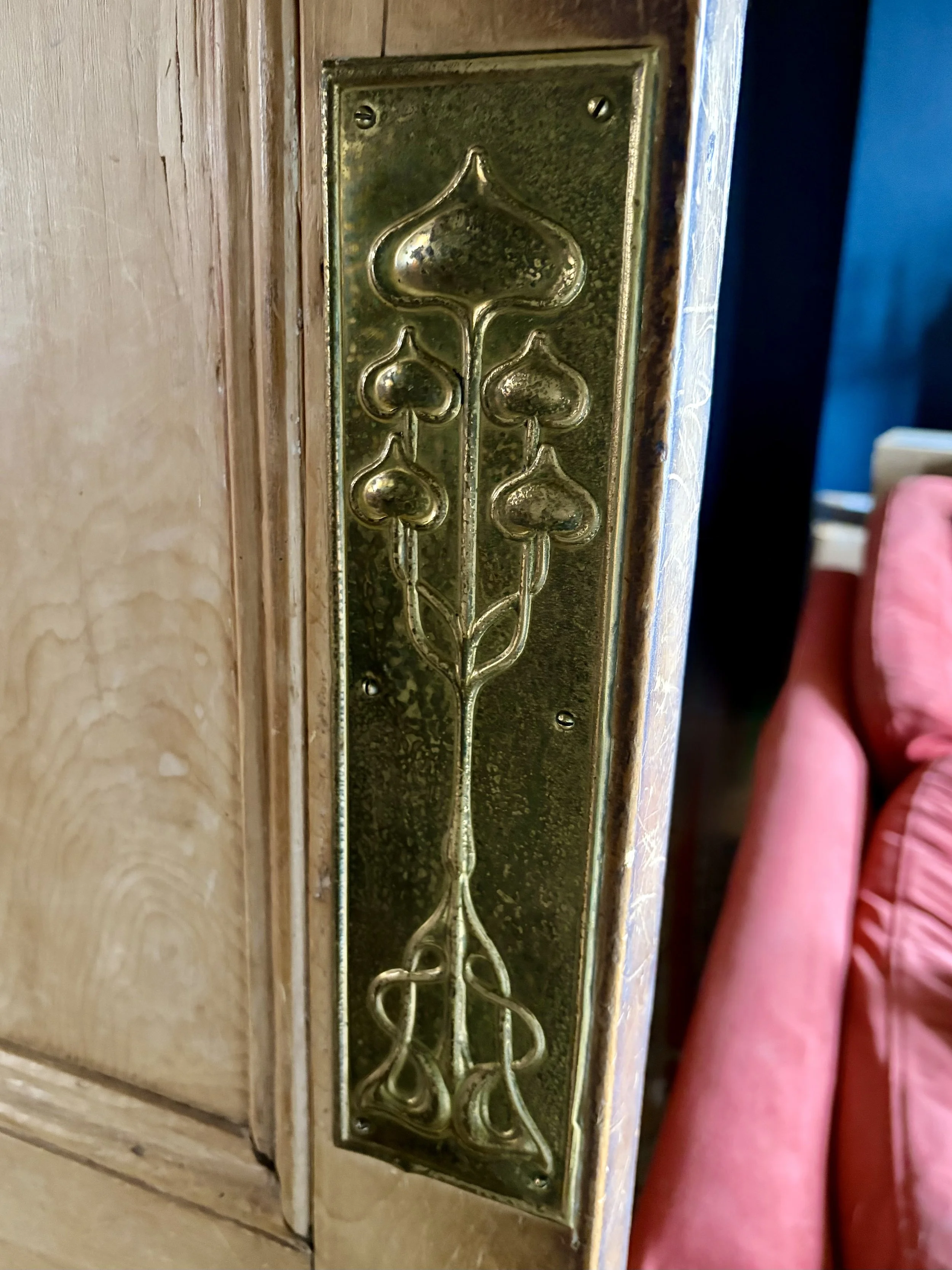
- Natural textures e.g. wood, stone, wool, linen
- Simulated natural lighting
- Indoor water features
- Materials that emit natural scents, such as cedarwood, pine
- Home fragrance using natural ingredients
- Focal points, views, light patterns, scents or sounds gradually obscured and revealed as one moves through the space, creating moments of curiosity and surprise (e.g. through use of partitions, blinds, shadows)
- Art installations or screens made from natural materials used to create layouts which enhance mystery and curiosity, or provide cosy nooks for refuge
- Greenery creates sense of calm
- Daylight and fresh air through windows is uplifting
- Natural fragrances bring back memories
- Views of nature evoke sense of contentment
- Natural materials create feeling of warmth
- Tactile textures create sense of comfort
- Muted earth tones create sense of calm
- Seasonal objects remind us of the passing year
- Window seats overlooking greenery evoke sense of calm
- Refuge nooks create a sense of safety
- Winding paths, curving edges, obscuring of boundaries or portion of focal subject encourage curiosity
- Feeling of risk/peril coupled with knowledge of safety can arouse curiosity and attention e.g. transparent railings, images of snakes/spiders
- Flowers and foliage as focal points e.g. floral displays, houseplants, green walls
- Views of nature
- Seasonal plants and flowers marking time
- Materials with visible natural patterning e.g. wood grain, stone veining, cork texture
- Images of nature
- Curves and nature-inspired patterns
- Sheer curtains or slatted screens which filter changing light and shadow
- Fire and candles
- Layouts prioritise views of nature as living focal points e.g. seating next to windows
- Blankets and cushions added to cosy nook to enhance sense of refuge
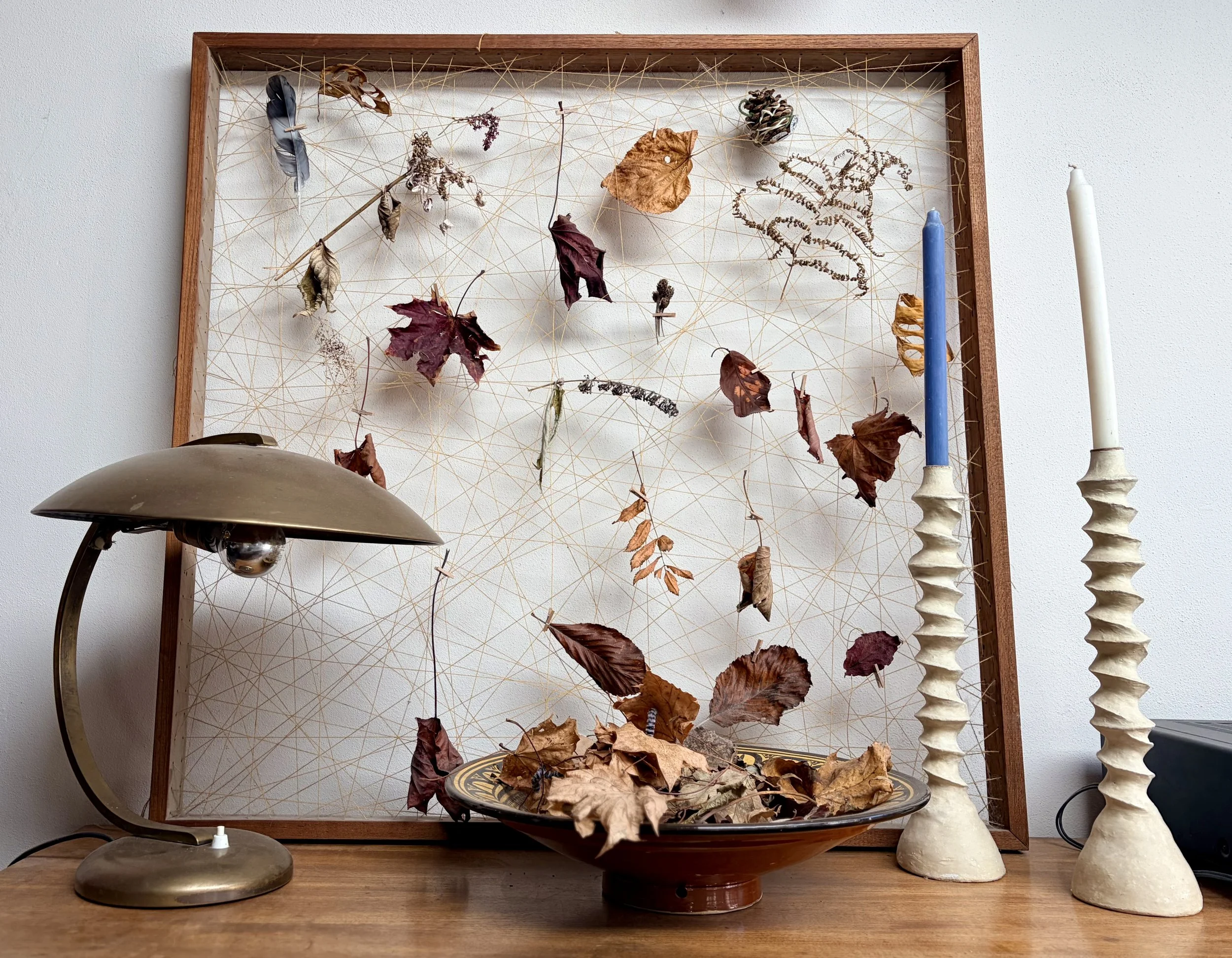
- A collection of natural objects gathered on walks
- Seasonal decoration via natural objects to mirror natural cycles
- Materials with provenance
- Colours and textures that reflect the surrounding landscape
- Items made locally with local natural materials
- Natural materials which show signs of wear and use e.g. a wooden countertop
- A map of the local landscape — rivers, woodland, wildlife corridors — making the ecological context of the building visible.
- Interiors that support daily rituals, such as a nature display at the home's entrance for adding collected objects
- Cosy nooks incorporate natural objects to encourage reflection on nature
- Watering and caring for plants
- Growing herbs or food
- Window boxes or balcony habitats designed to support pollinators or local wildlife
- Repairing and maintaining furniture, textiles etc
- Choosing regenerative materials
- Buying from local makers
- Longevity choices
- Composting station designed to be visible, easy to use, even beautiful – to encourage composting
- Spaces that facilitate care of nature as you move through them e.g. plants placed along circulation routes encourages watering as part of everyday movement, bird feeding station placed by threshold encourages bird feeding
Designing for nature connection requires a shift in focus — from what nature looks like in our spaces to how it is experienced, cared for, and returned to over time. The five pathways offer a practical framework for making this shift in everyday interior decisions, helping transform biophilic strategies into meaningful, ongoing relationships with nature.
When approached in this way, interiors become places that support both human wellbeing and a renewed sense of responsibility toward the living world.
References
Derby Nature Connectedness Research Group (2025) Nature Connectedness Pathways Framework. University of Derby.
Derby Nature Connectedness Network (2025) Nature Connectedness Research Overview. University of Derby.
Kellert (2008) Biophilic Design: The Theory, Science, and Practice of Bringing Buildings to Life.
Kellert & Calabrese (2015) The Practice of Biophilic Design.
Richardson, M. & Butler, C. (2021) Nature Connectedness and Biophilic Design. Building Research and Information.
Sheffield, D., Butler, C.W., & Richardson, M. (2022) Improving Nature Connectedness and Wellbeing: A Systematic Review.
Richardson, M. (2025) Human Connection to Nature Decline Study.
Wilson (1984) Biophilia.