A journey from frivolity - the critical importance of interior design for people and planet
I grew up in the 90s, and my introduction to interior design was via the 48 hour makeover show ‘Changing Rooms’. People would paint walls in extreme colours, glue-gun feathers onto lampshades and use copious amounts of MDF to make furniture; all in the hopes of transforming a plain room into something special for their fellow contestants (who also happened to be their next-door neighbours).
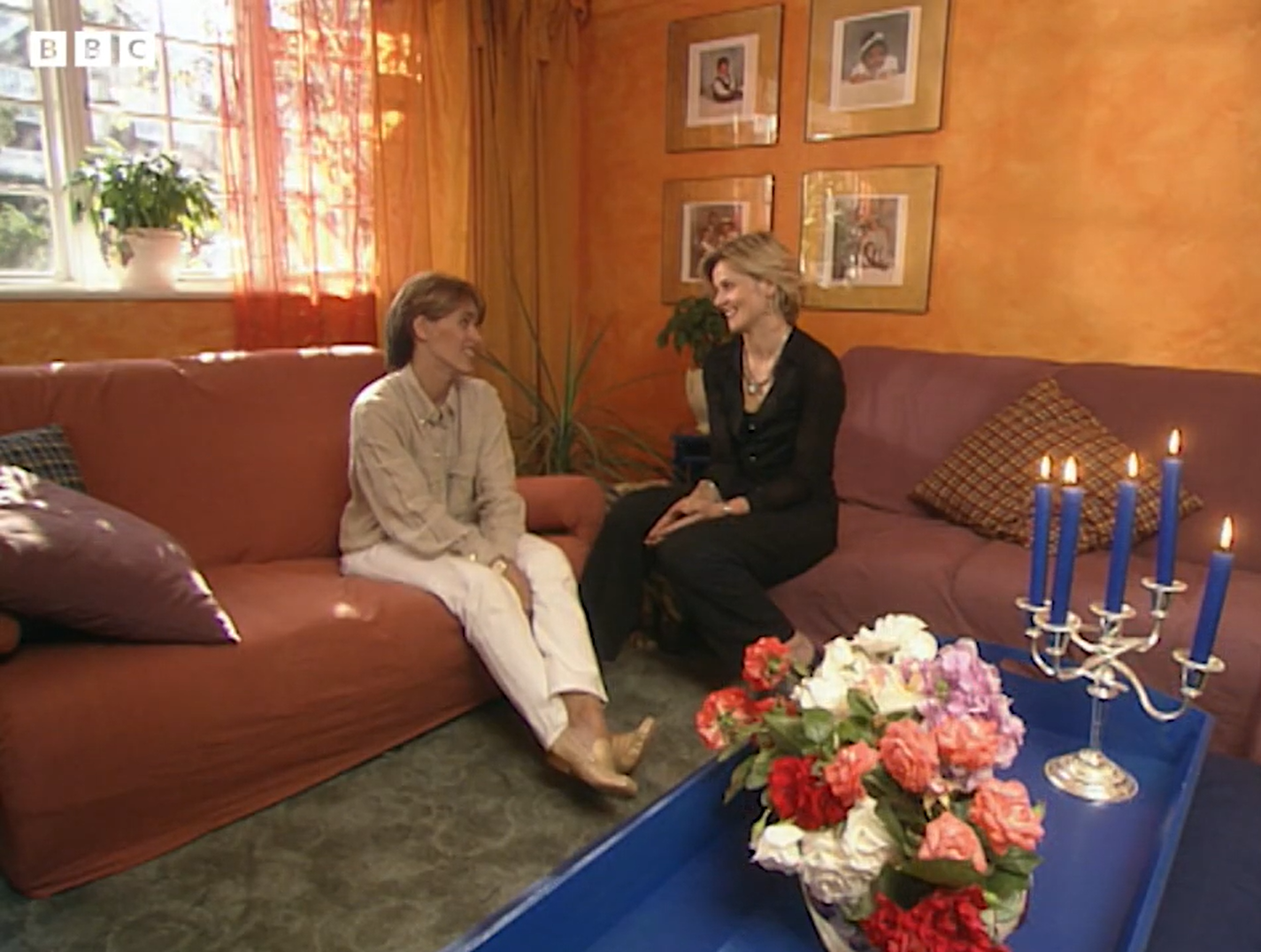
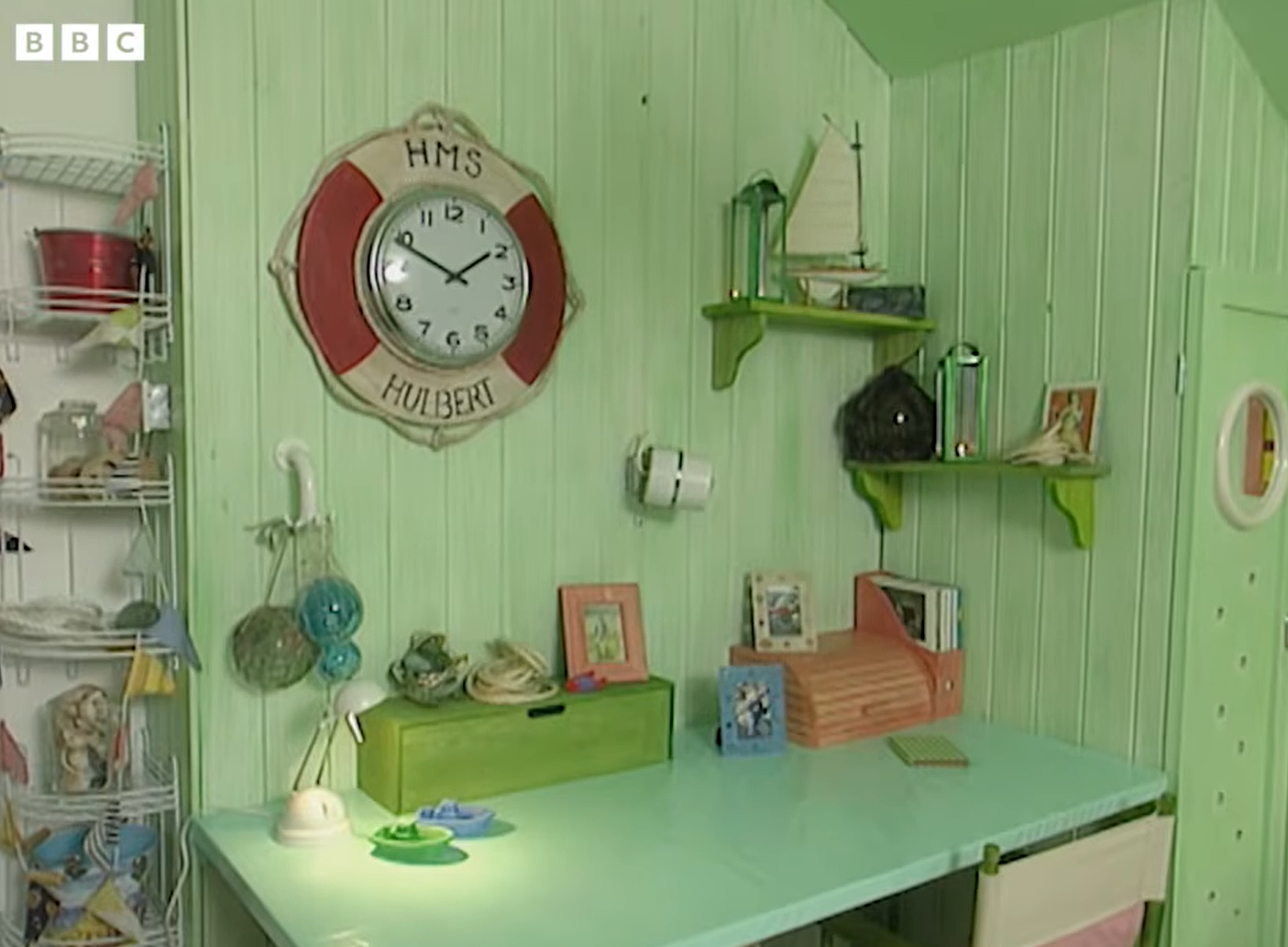
Changing Rooms inspired me (aged 11) to redecorate my own bedroom twice; but also framed interior design in my eyes as something creative, expressive, accessible - but ultimately frivolous.
Although I continued to renovate my own homes, it wasn’t until I was in my early 30s that I revisited interiors as a profession via a Netflix profile of Ilse Crawford; an interior designer known for creating interiors that prioritize human experience, comfort, and wellbeing.
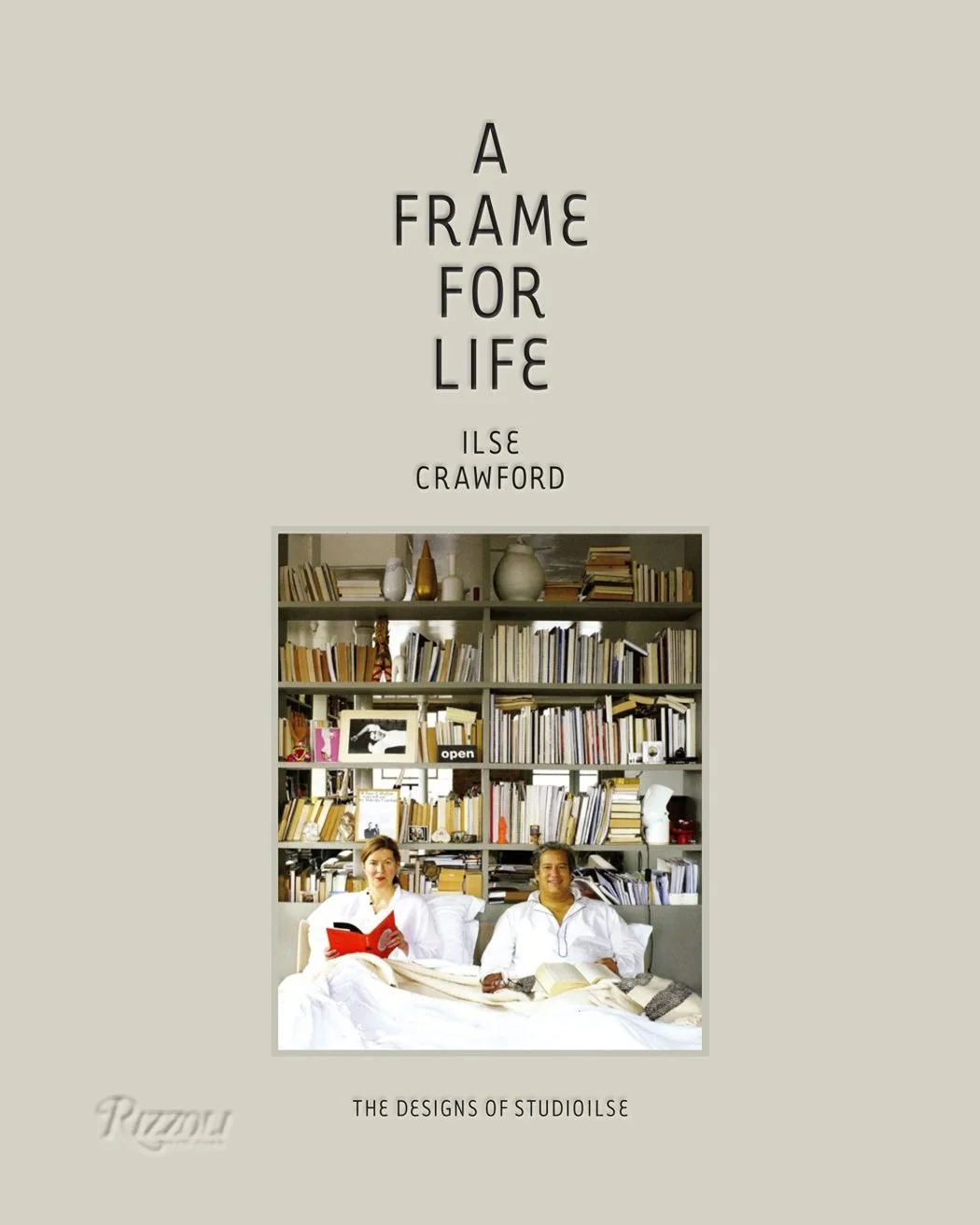
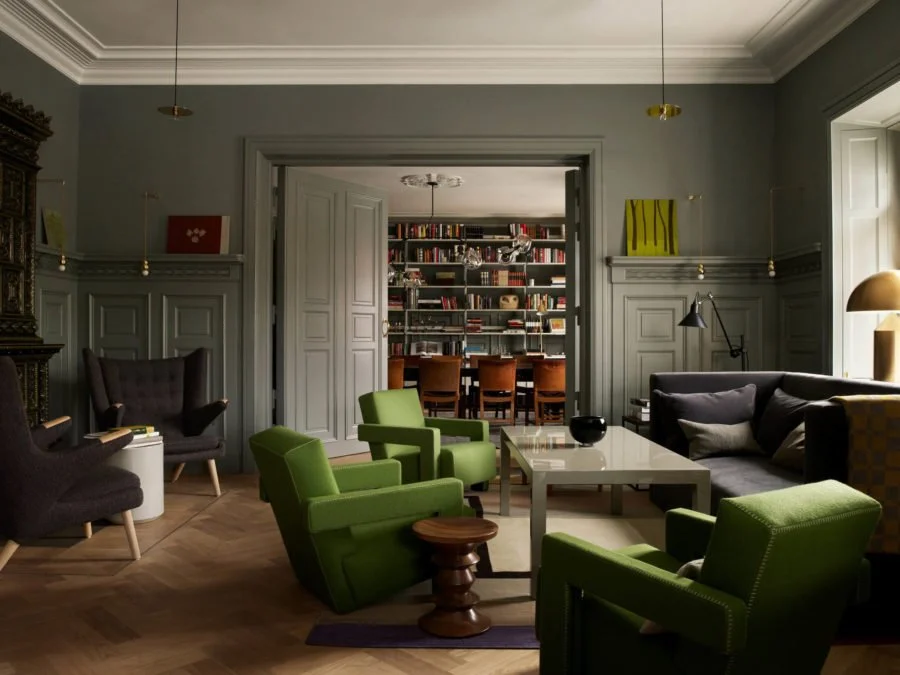
Suddenly I saw: as well as being creative, interior design has huge power to influence how we live and feel. Within a week I’d signed up to an interior design course. The more I learned, the more I looked at interiors all around me - our homes, places of leisure, workplaces, community spaces, schools, hospitals - I realised:
The way interiors are designed not only has significant impacts on human lives and emotions; but also has enormous impacts for our planet.
The dots were all joining up. The interiors industry can be frivolous - it can be wasteful, destructive, unethical, exclusive and shallow, it can drive consumerism, perfectionism and ill-health. This is fast interiors, paralleling fast fashion - less widely spoken about but even more destructive.
The interiors industry is an industry after all, and industries thrive on repeat purchase, novelty, and keeping us feeling dissatisfied. Industries are driven by profit - not respect for nature, mental wellbeing or happiness. What we buy, how we design our homes and businesses, how often we change things — it’s all part of a system.
- Speed and novelty
- Cheap production at scale
- Planned obsolescence
- Externalised environmental costs
- Continuous growth in consumption
- Disposability over durability
- Slowness and longevity
- Localised, lower-impact production
- Design for repair and reuse
- Full environmental cost accounting
- Reduced material throughput
- Care over replacement
If the spaces we live in and interact with — from our homes to cafés, pubs, shops and community spaces - are part of the system; that means we as homeowners, renters, small business owners and community members can influence the system – perhaps even change it.
So the way we design and decorate stops being frivolous. Our interiors can become less throwaway, less trend-driven, and more meaningful, planet-positive and nature-connected.
So how do we do this, on an individual level? How do we make our interiors not only aesthetically pleasing, but also more meaningful, responsible, and supportive of both people and planet?
1. Start with how you want to feel
Before buying anything, ask: What do I want this space to support?
Calm, connection, creativity, rest — design decisions become clearer when they’re rooted in feeling rather than aesthetics alone.
2. Buy less, choose better
Shift from quantity to longevity.
Look for pieces that are well-made, repairable, and that you genuinely want to keep for years.
3. Learn what things are made of
Understanding materials — natural vs synthetic, renewable vs extractive — is one of the most powerful ways to reduce impact and make informed choices.
4. Prioritise reuse and restoration
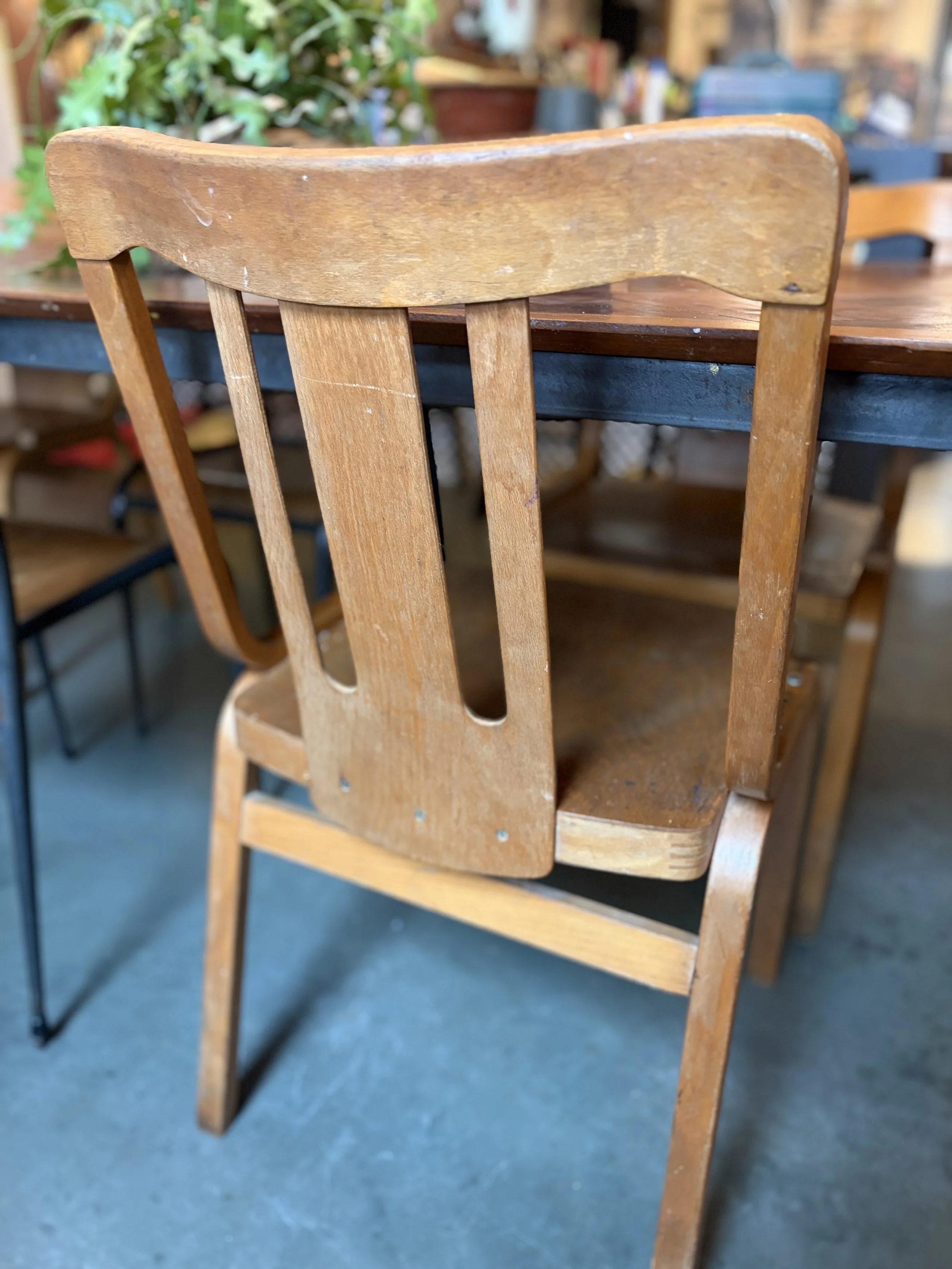
The most sustainable item is often the one that already exists. Repair, reupholster, repaint, or repurpose before replacing.
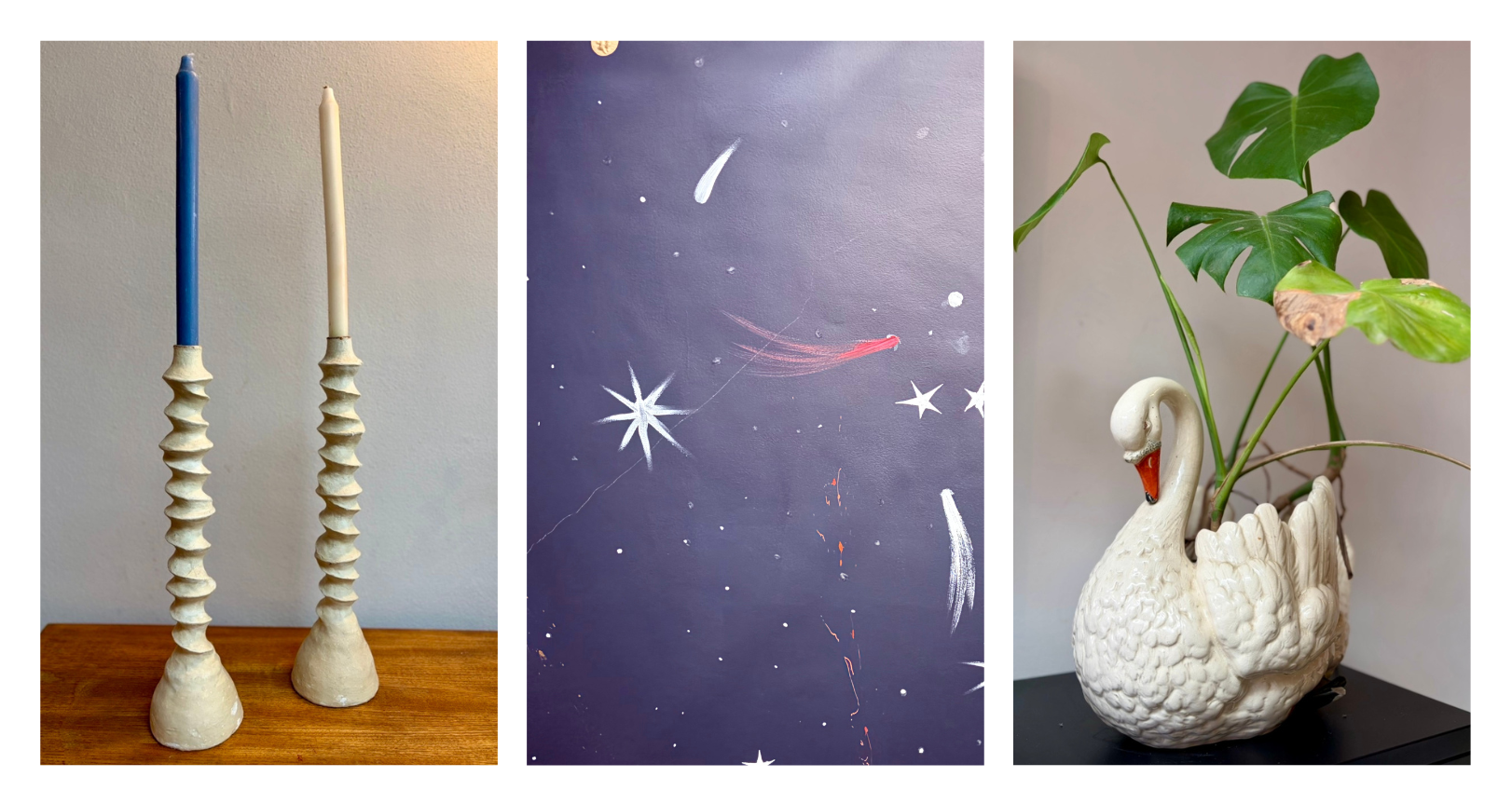
5. Connect your home to nature
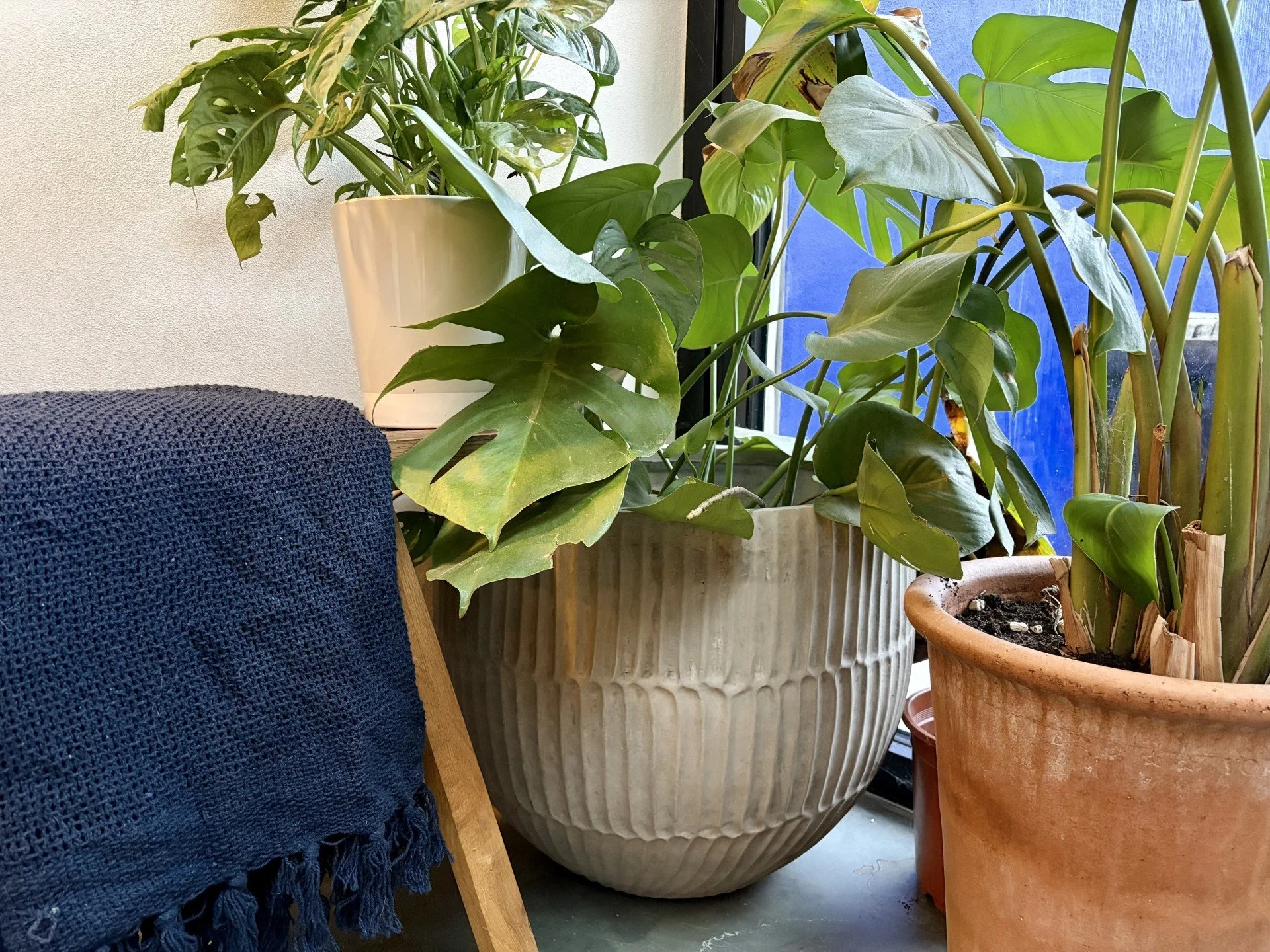
Plants, natural materials, images of nature — small changes can significantly improve wellbeing and shift the feel of a space.
6. Support makers and local trades
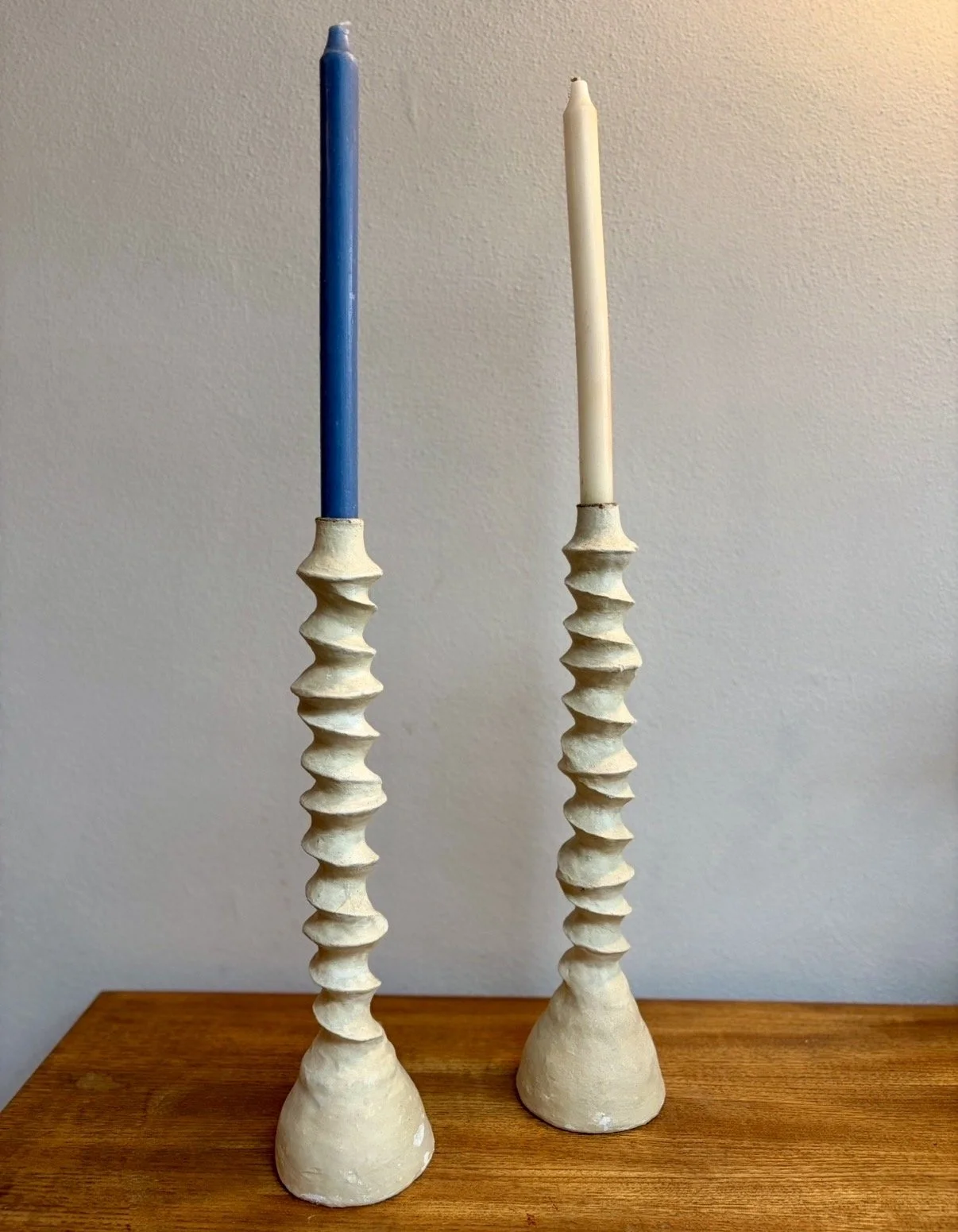
Choosing craftsmanship over mass production keeps skills alive, supports local economies, and often results in more meaningful, lasting pieces.
7. Design for real life, not perfection
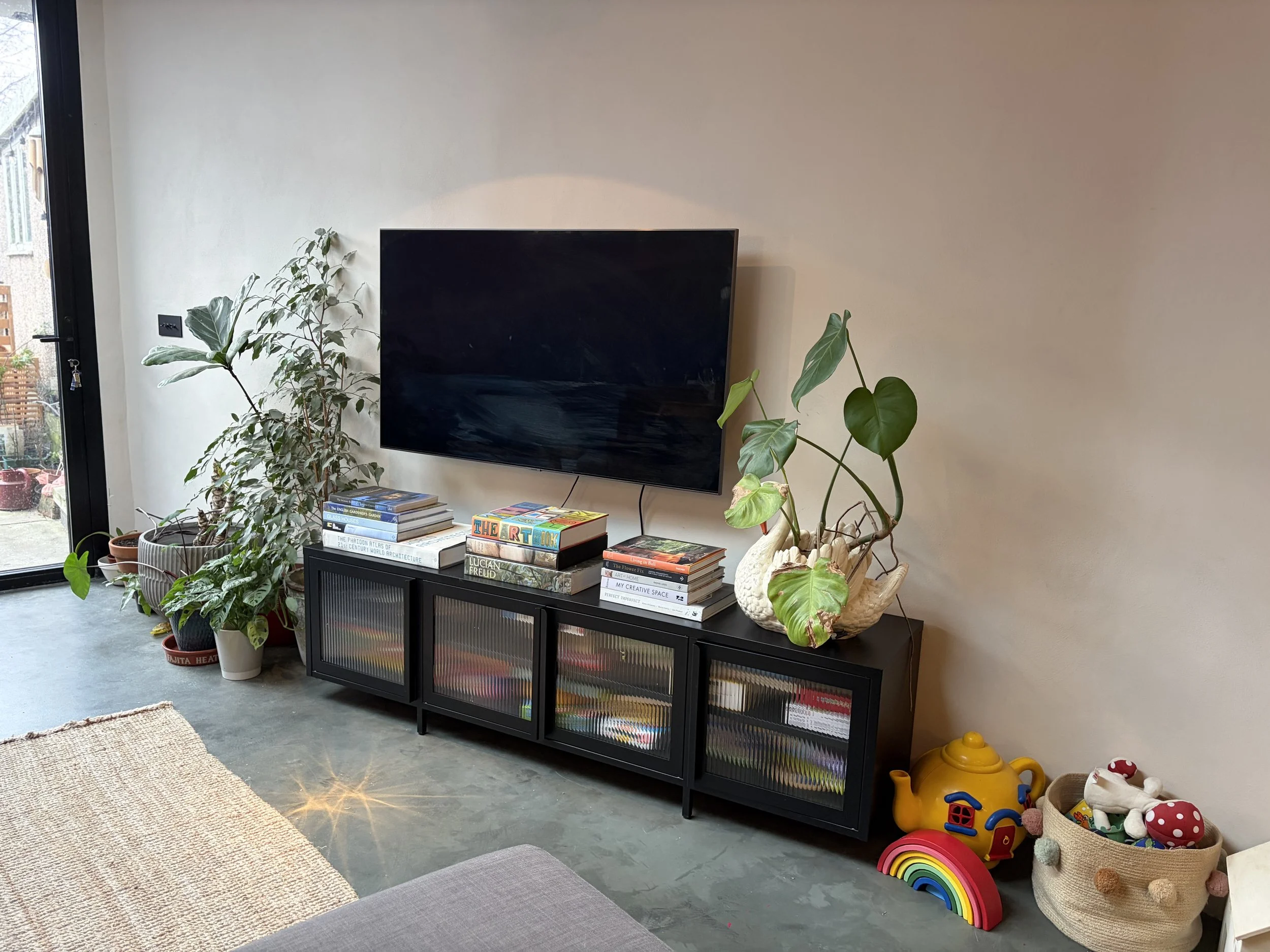
Interiors should evolve, show wear, and reflect the people who live in them or use them. Let go of the idea that a space needs to look “finished.”
8. Support local spaces doing things differently
By choosing local cafés, restaurants, and community spaces that prioritise sustainability and thoughtful design, we help nurture places that care for both community and planet.
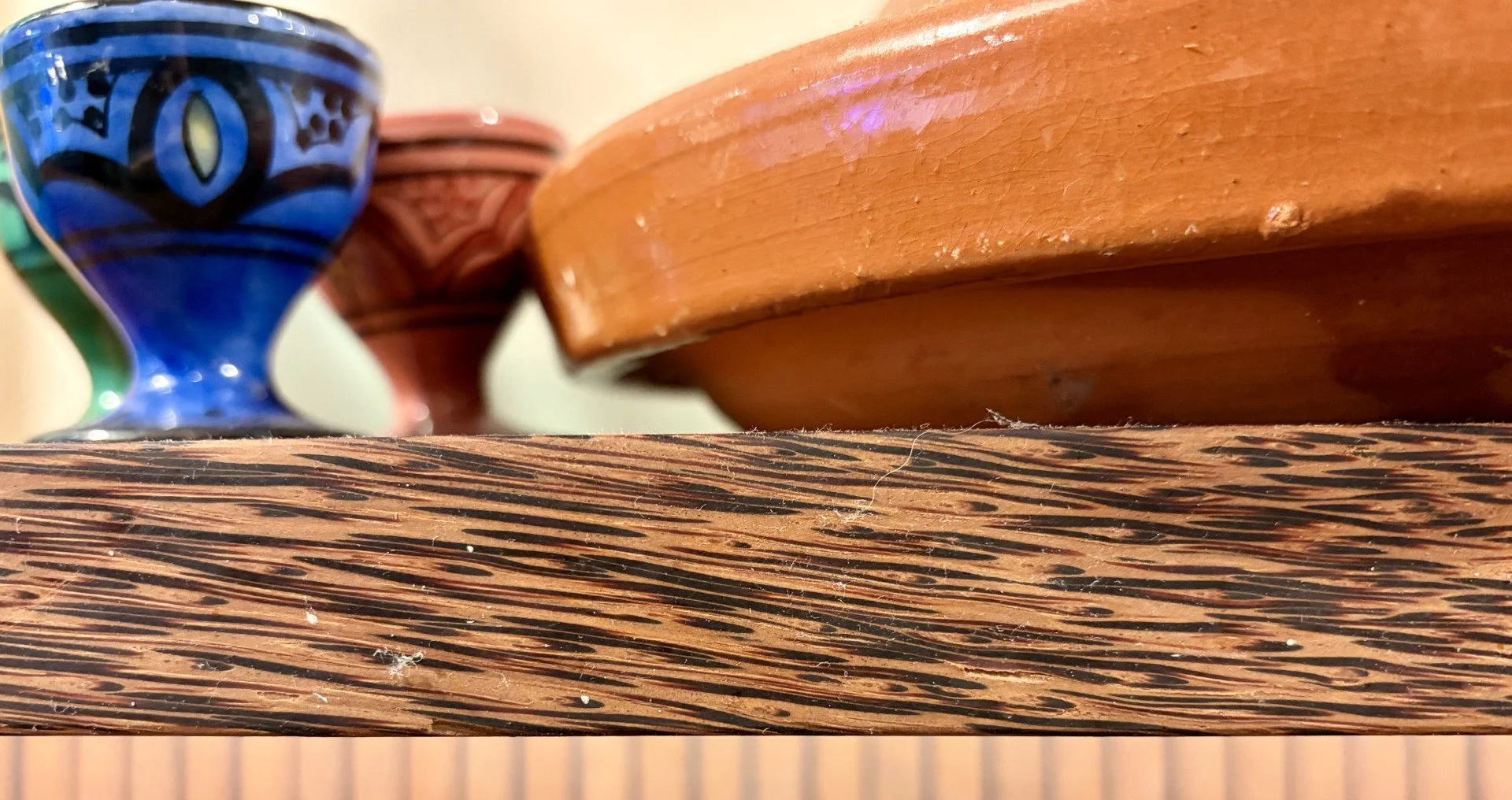
When we see interiors not only as decoration but as a relationship — with ourselves, our communities, and the natural world — they stop being frivolous and start becoming quietly powerful.