The benefits of nature connection for people, communities and the planet
Why feeling part of the natural world matters not only for our wellbeing, but for how we care for one another and the earth itself
Many of us spend our lives slightly apart from nature. We move between buildings, screens, roads and routines focused on productivity, speed and consumption, while the natural world becomes background scenery rather than something we feel part of. For many people, this disconnection has become normal. But when nature is reduced to a backdrop, resource or occasional escape, we lose sight of something fundamental: that human wellbeing is inseparable from the health of the living systems around us.
Research increasingly suggests that connecting with nature creates better mental wellbeing, stronger pro-environmental behaviour, and a greater sense of meaning and belonging (Nature Connectedness Research Group, n.d.; Guazzini et al,. 2025).
Nature connection is not simply about spending time outdoors, though that can help. It is about our relationship with nature — how deeply we notice, value, feel part of and care for the natural world.
In this world of overlapping crises, it’s worth asking whether nature connection could hold the key to many of the issues confronting us humans. This article explores how nature connection can strengthen individual wellbeing, deepen community resilience, and restore care for the wider ecological systems we depend on.
Nature connection supports mental wellbeing and human flourishing
There is now a substantial body of evidence linking nature connection with wellbeing (Mental Health Foundation, nd, NHS England, nd)). Importantly, this is not only about being physically present in a park or woodland, but about the quality of our relationship with nature — whether we notice it, find meaning in it, feel emotion towards it, or experience ourselves as part of it. Simply being outdoors can be restorative, but a connected relationship with nature seems to deepen the benefit. The University of Derby’s work on the pathways to nature connection suggests that contact, emotion, meaning, compassion and beauty are key routes through which people build that relationship (Lumber, Richardson and Sheffield, 2017). Noticing birdsong, tending a garden, watching light through leaves, or feeling care for a damaged landscape can reduce stress, evoke awe and remind us that we belong to something larger than ourselves.
Reviews of the literature have found that nature connectedness is associated with both feeling good and functioning well, including higher happiness, vitality, life satisfaction and a stronger sense of purpose (Nature Connectedness Research Group, n.d,). Studies with children and adolescents also suggest that nature connection is positively related to wellbeing early in life (Barrable et al, 2024), which matters at a time when many young people are experiencing high levels of stress, anxiety and social fragmentation.
Nature connection can strengthen communities, belonging and social cohesion
Nature connection is often spoken about as a personal experience, but it also has a social dimension. Shared green spaces, community gardens, walking groups, conservation volunteering and outdoor cultural activities can all create opportunities for people to meet, collaborate and feel part of something beyond themselves. In a time marked by loneliness, polarisation and the erosion of public space, this matters. Research on nature-based social prescribing and group nature interventions suggests that these activities can help reduce loneliness and foster connection and belonging, especially when they are sustained over time and rooted in shared activity rather than passive access alone (Sachs et al,, 2024).
At a neighbourhood level, embedding nature can create healthier, safer and more beautiful places to live. Natural England has highlighted how increasing access to and engagement with nature can contribute to more vibrant neighbourhoods and even help reduce antisocial behaviour, urban heat and flooding (Natural England, 2024). Communities tend to care more for places they feel connected to. When people experience local nature as meaningful — not just ornamental — it becomes easier to imagine forms of stewardship, collective pride and mutual care that extend beyond the self.
A closer relationship with nature can support action for the planet
One of the strongest findings in nature connectedness research is that people who feel more connected to nature are also more likely to care for it. A growing evidence base links nature connectedness with pro-environmental attitudes and behaviours, from everyday habits to wider forms of civic and organisational engagement (Guazzini et al., 2025; Stenfors et al., 2025). To solve ecological crisis structural change, regulation and collective action are all essential; however perhaps these things start with individuals reconnecting, developing a relationship with, and falling in love with nature. We strongly protect what we love, and when nature is experienced as kin, home or community rather than as an abstract issue “out there”, environmental concern often becomes more consistent and enduring.
The quality of nature we protect matters for human wellbeing too. Recent research from King’s College London found that biodiverse environments — places with a richer mix of trees, plants, birds and water — were associated with stronger mental wellbeing benefits than less diverse natural settings (Hammoud et al., 2024). This is significant because it challenges shallow or cosmetic approaches to greening.
If biodiversity supports wellbeing, then protecting and restoring richer ecologies is not only good for wildlife; it is also part of creating healthier human environments.
The wellbeing of people and the wellbeing of ecosystems are not separate agendas.
Nature connection can be cultivated in ordinary, everyday ways
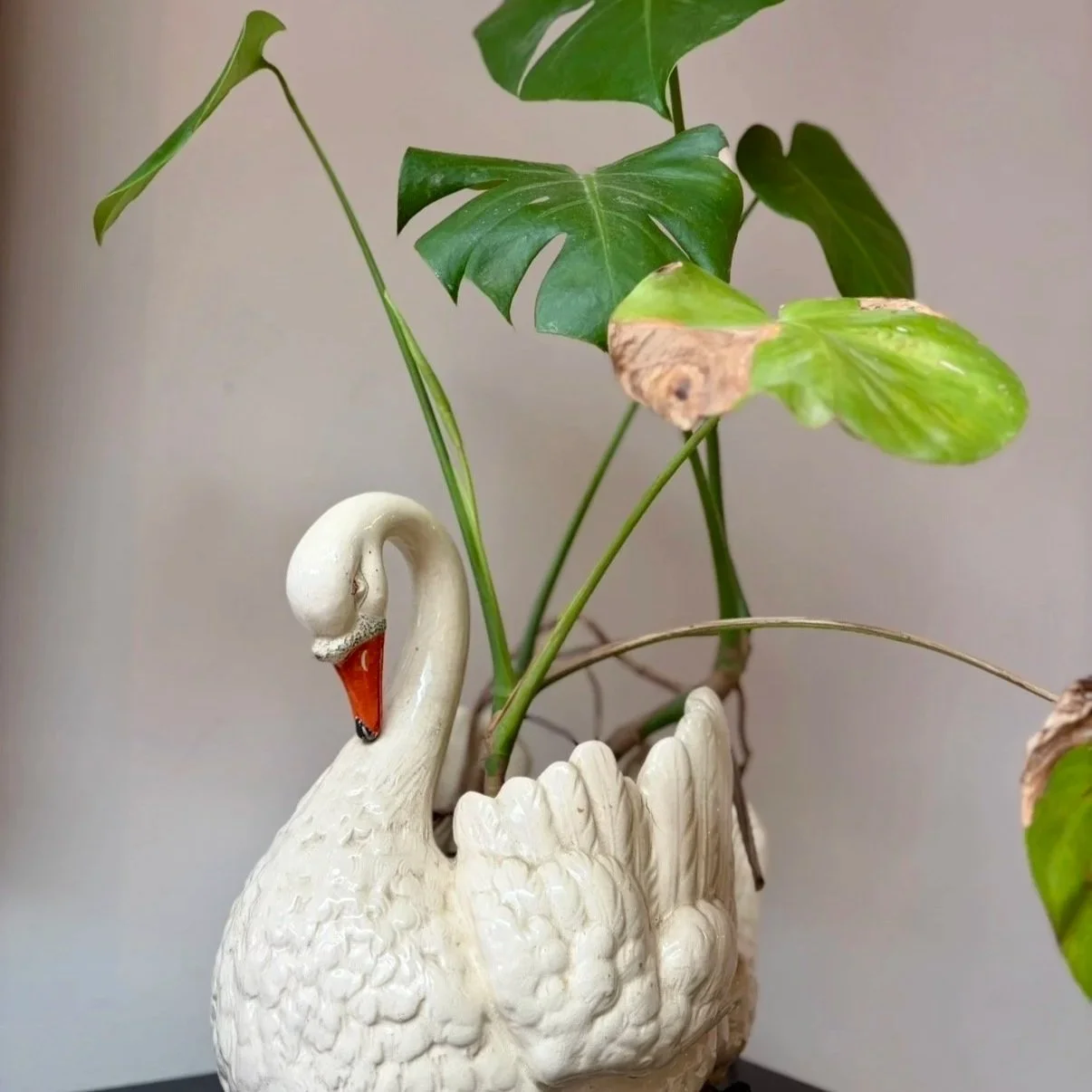
One of the most hopeful things about this area of research is that nature connection does not necessarily require dramatic lifestyle change, wilderness access or expertise. It can begin with small shifts in attention and practice. The pathways model developed through nature connectedness research suggests that simple acts — noticing seasonal change, engaging the senses, finding beauty, expressing care, creating with natural materials, or tending a patch of land — can all help deepen our relationship with the natural world (Lumber, Richardson and Sheffield, 2017). For people living in towns and cities, this is especially important. A relationship with nature can be developed via trees on the street, birds on a windowsill, canal paths, community gardens, houseplants, local parks, or even moments of noticing weather and light.
This has implications for design, education, healthcare and community life. If nature connection supports wellbeing, belonging and ecological care, then we should be thinking seriously about how to make it easier in everyday settings. That might mean creating more biodiverse and welcoming public green spaces, integrating nature into schools, care and community settings, supporting green social prescribing, designing homes and interiors that foster sensory and visual contact with natural systems, or protecting local habitats so people can encounter more diverse nature close to where they are.
A society that is better connected with nature is likely to be healthier, kinder and more protective of the environment than one that treats nature as separate from daily life.
We need to give people everyday opportunities to experience themselves as participants in a living world rather than masters of it.
References
Barrable, A., Friedman, S., Tam, K.-P. and Papadatou-Pastou, M. (2024) Nature connection and wellbeing in children and adolescents: a systematic review and meta-analysis.
Guazzini, A., Valdrighi, G., Fiorenza, M. and Duradoni, M. (2025) The relationship between connectedness to nature and pro-environmental behaviors: a systematic review. Sustainability, 17(8), 3686.
Hammoud, R., Tognin, S., Smythe, M., Gibbons, J., Davidson, N., Bakolis, I. and Mechelli, A. (2024) Smartphone-based ecological momentary assessment reveals an incremental association between natural diversity and mental wellbeing. Scientific Reports, 14, 7051. https://doi.org/10.1038/s41598-024-55940-7
Lumber, R., Richardson, M. and Sheffield, D. (2017) Beyond knowing nature: contact, emotion, compassion, meaning, and beauty are pathways to nature connection. PLOS ONE, 12(5), e0177186.
Mental Health Foundation (n.d.) Nature: How connecting with nature benefits our mental health.
Natural England (2024) New Nature Connection website brings together policy, practice and research.
NHS England (n.d.) Green social prescribing.
Nature Connectedness Research Group, University of Derby (n.d.) Evidence Summary – Nature Connections.
Sachs, A. L., Kolster, A., Wrigley, J., Papon, V., Opacin, N., Hill, N., Howarth, M., Rochau, U., Hidalgo, L., Casajuana, C., Gerhard, J., Daher, C. and Litt, J. (2024) Connecting through nature: a systematic review of the effectiveness of nature-based social prescribing practices to combat loneliness. Landscape and Urban Planning, 248, 105071.
Stenfors, C. U. D., Osika, W., Mundaca, L., Ruprecht, S., Ramstetter, L. and Wamsler, C. (2025) Nature connectedness and other transformative qualities associated with pro-environmental attitudes, behaviors, and engagement across scales: the direction of compassion matters. Global Sustainability, 8, e20.