Why nature connection belongs in more community programmes and services
If nature connection supports wellbeing, belonging and care for the living world, the question is not whether we should design for it, but why we still so often leave it out. Many programmes and services already work on outcomes that nature can help strengthen: mental wellbeing, confidence, emotional regulation, skills development, employability, social connection and recovery from trauma. Yet nature connection is frequently absent.
That feels like a missed opportunity for the people we serve and the ecological world we all depend on.
Nature-based activities are already being used in green social prescribing, community health, youth work and education, with growing evidence of benefits for mental health, loneliness and resilience (NHS England, 2022; National Academy for Social Prescribing, 2022). The case for mainstreaming nature connection across programmes is not that every service should become an outdoor service. It is that many services could become more effective, humane and restorative if they made space for people to notice, relate to and feel supported by the more-than-human world.
Nature connection does not only belong in environmental or outdoor programmes
One of the most useful shifts is to stop thinking of nature connection as a specialist offer. It can sit within many kinds of programme that have not traditionally included it. Mental wellbeing programmes can use nature to support regulation, reflection and reduced stress (NHS England, 2022; Kaleta et al., 2025). Confidence-building programmes can use outdoor activity, food growing or creative work with natural materials to foster agency, curiosity and self-belief. Skills and employment programmes can build confidence and progression through practical green skills, volunteering, stewardship and group learning, with some recent programme reports showing gains in both wellbeing and employability-related outcomes (Small Woods, 2025).
This will become more and more important as we transition to the green economy.
There is also a strong case for bringing nature into programmes that support people who have experienced trauma, abuse or major adversity. A recent scoping review found that therapeutic nature-based programmes can offer respite from trauma symptoms, strengthen relationships with others and support positive intrapersonal outcomes (Stevens and Truong, 2024). That does not mean nature is a substitute for specialist support. But it does suggest that, when thoughtfully designed, it can be a valuable part of how trauma-informed programmes create safety, regulation, connection and hope.
Start with the outcome you want, then ask how nature might help
A practical way to design for nature connection is to begin with the programme’s purpose. Are you trying to reduce anxiety? Build confidence? Support women’s empowerment? Be more neuroinclusive? Help people feel less isolated? Develop skills, employability or a sense of agency? Once that is clear, you can ask what kinds of nature-based elements might support those outcomes.
That might mean reflective walks for emotional regulation, gardening for routine and confidence, conservation activity for teamwork and meaning, outdoor creative practice for self-expression, seasonal group rituals that help people feel part of something larger than themselves, or using nature to create a more neurodiverse-friendly environment.
There is still more to learn about which approaches work best for different groups and contexts, and we should be careful not to make nature connection sound like a cure-all. But the overall direction of evidence is strong enough to justify taking it more seriously in programme and service design.
Looking at the 5 Ways to Wellbeing, a model routinely used in the design of mental health and wellbeing programmes (NHS, nd), I can instantly imagine how nature could facilitate:
Connecting with other people (e.g. working together to create a garden, litter-pick or plant trees or taking a walk in nature away from screens and other distractions)
Being physically active (e.g. via nature walks, gardening or outdoor yoga)
Learning new skills (e.g. gardening, conservation work, making things with natural materials)
Giving to others (e.g. helping to restore our natural world for the benefit of all) and;
Paying attention to the present moment (e.g. stopping and listening to bird song, observing the beauty of nature, noticing scent or movement in the natural world).
If nature can support mental health, reduce loneliness, build confidence, strengthen community ties and encourage care for the living world, then it deserves to be considered far beyond the environmental sector (National Academy for Social Prescribing, 2022; Kaleta et al., 2025).
Co-design matters
If nature connection is going to be built into mainstream programmes, co-design becomes essential. People’s relationships with nature are shaped by culture, history, access, safety, identity and past experience. What feels restorative to one group may feel unfamiliar, exposing or impractical to another. This is especially important in programmes working with trauma, women’s empowerment, recovery, or communities that have historically had less access to safe and welcoming green space.
Co-design helps uncover what kinds of activities, places, rhythms and facilitation styles actually feel meaningful and possible. It also helps move services away from a one-size-fits-all model. The strongest community-based nature initiatives tend to be those that are shaped with participants rather than imposed on them, building ownership, relevance and a stronger sense of belonging (Butler and Richardson, 2025). In practice, that may mean involving people early, using trusted local partners, testing ideas in small ways to gather feedback, working in a way that is trauma-informed, and paying attention to language, safety and choice.
What might mainstreaming nature connection look like?
Let’s imagine a world where nature connection is woven through all our community programmes and services. A world where support for wellbeing, confidence, recovery, learning and belonging does not happen in isolation from the living world, but alongside it. A world where people are given regular opportunities not only to access nature, but to feel calmed by it, strengthened by it, and part of something larger than themselves: reconnected to the mutual relationship between human health and wellbeing and the living systems that sustain us. In practice this might mean:
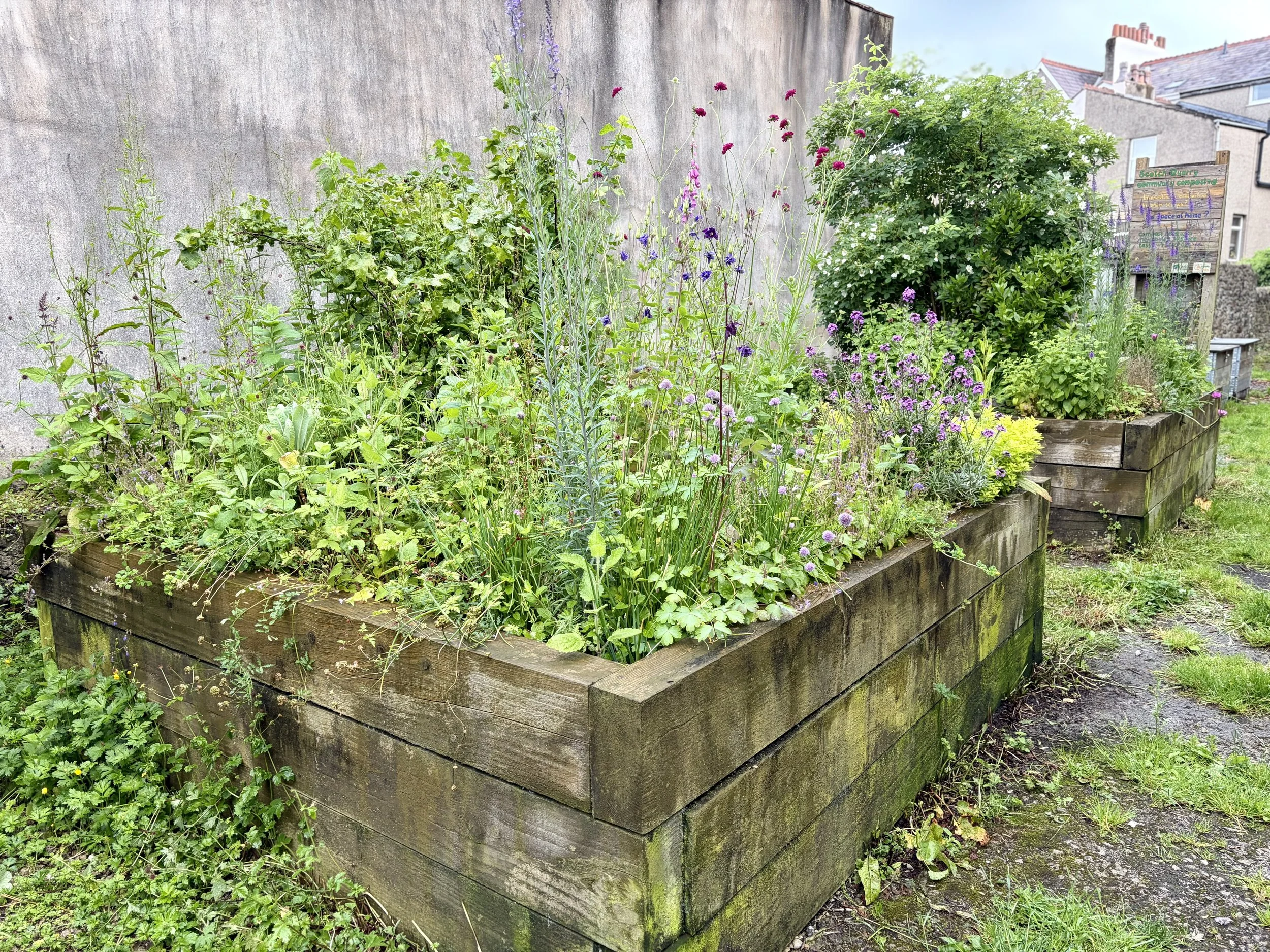
delivering more of our community programmes in outdoor settings like community gardens or local parks
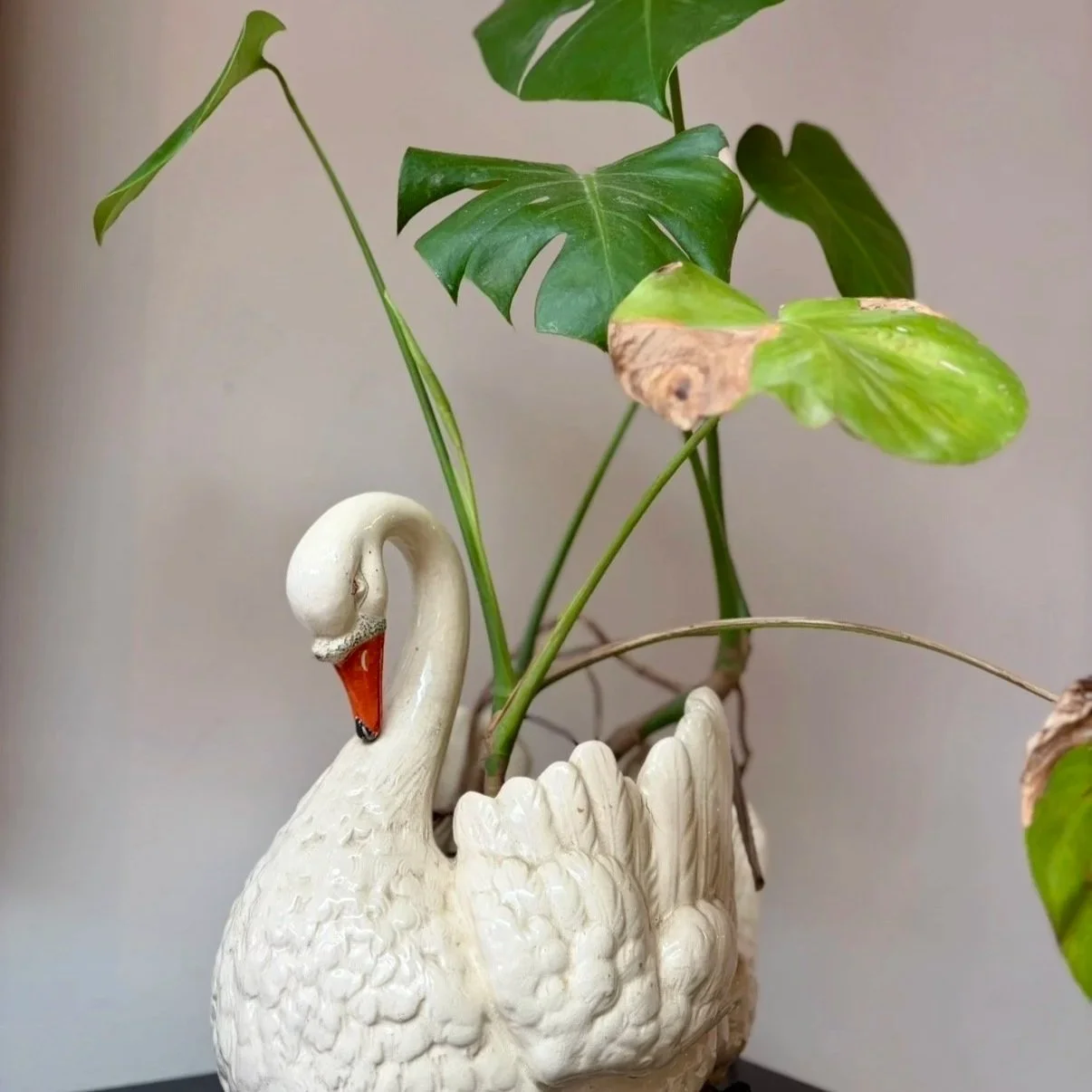
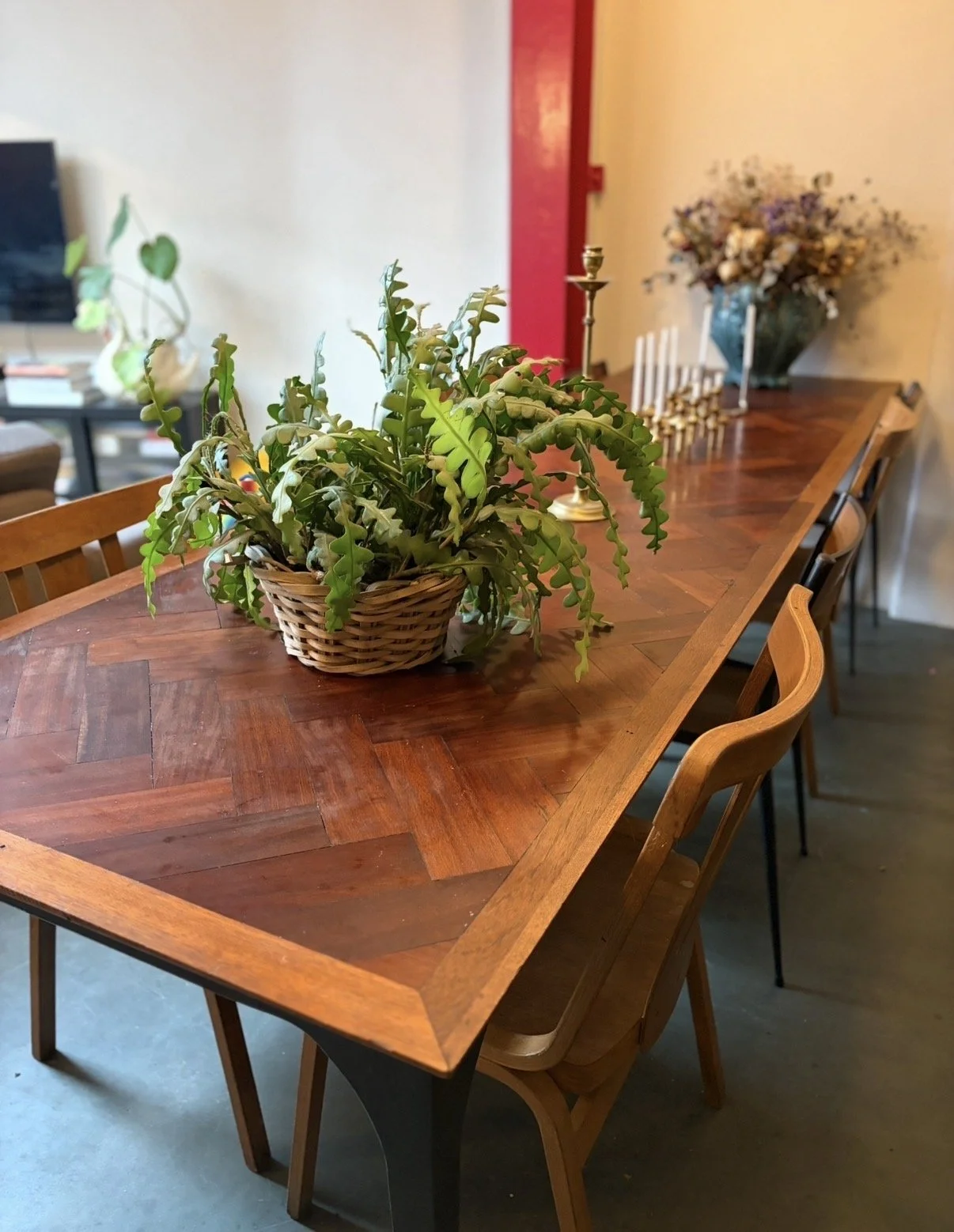
bringing nature into indoor spaces or overlooked outdoor spaces (such as entrances, yards, windowsills, car parks), for example through plants, natural materials or creative art installations made from natural objects
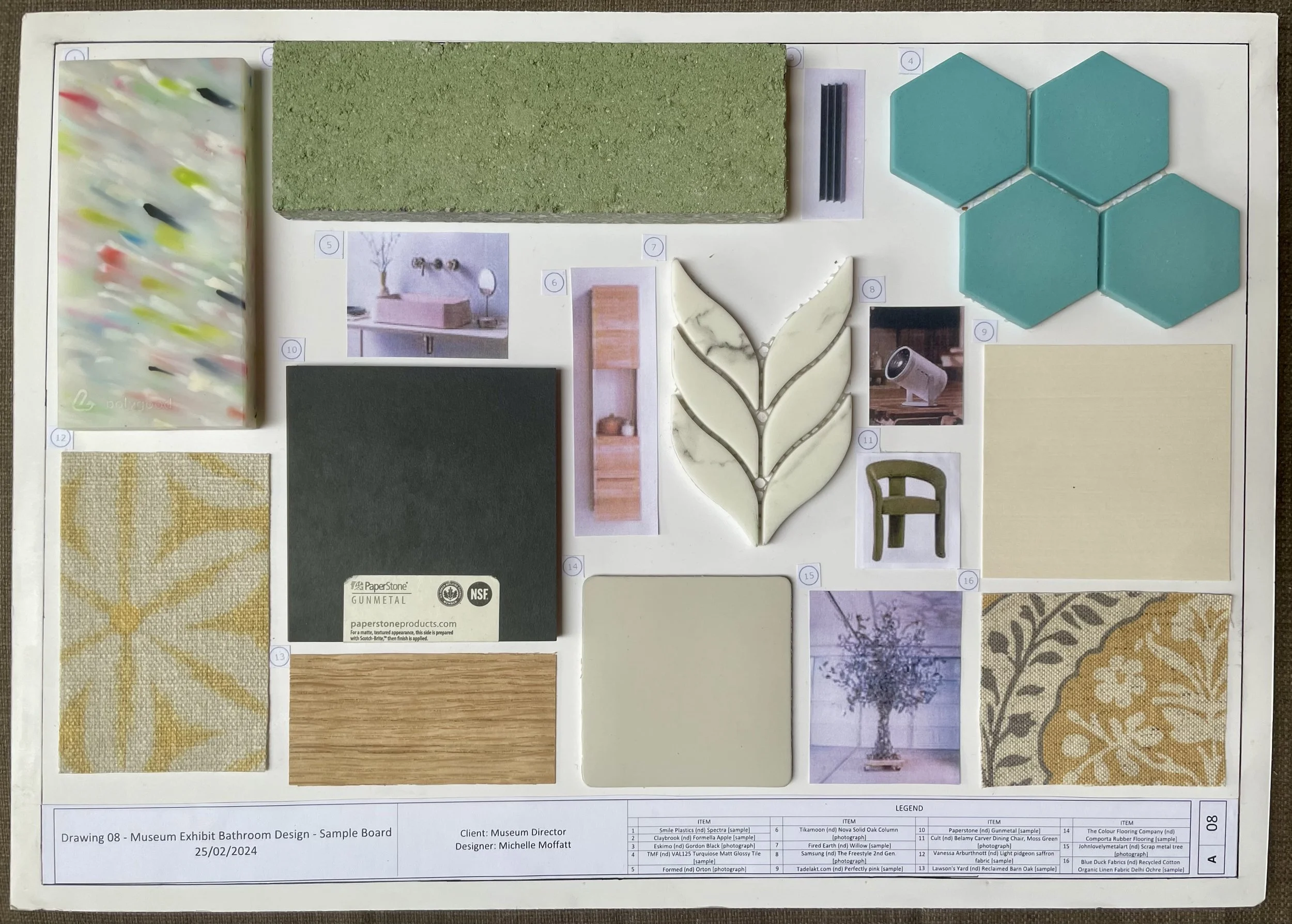
drawing on local landscapes to shape a stronger sense of pride in place — for example, reflecting coastal ecologies, colours and materials in the design of coastal community hubs
making nature connection part of organisational culture and strategy
training staff on nature connection for their own wellbeing and so they can spot opportunities to connect those they support with nature
building referral pathways and partnerships with local parks, community gardens, farms, environmental charities or green social prescribing providers.
In a nature-connected world, flowers, trees, plants and wildlife would be more present and embedded into our urban spaces, indoor environments and everyday landscapes.
This world would be more beautiful, more multi-sensory, more abundant and more nourishing than the one many of us inhabit now.
At a time of multiple crises, nature connection feels less like a niche idea and more like the logical direction for designing programmes and services that better support wellbeing, communities and our planet.
References
Butler, C. W. and Richardson, M. (2025) Nature Connected Communities Handbook.
Kaleta, B., Campbell, S. C., O’Keeffe, J. and Burke, J. (2025) Nature-based interventions: a systematic review of reviews. Frontiers in Psychology, 16, 1625294.
Lumber, R., Richardson, M. and Sheffield, D. (2017) Beyond knowing nature: contact, emotion, compassion, meaning, and beauty are pathways to nature connection. PLOS ONE, 12(5), e0177186.
National Academy for Social Prescribing (2022) New evidence for nature-based social prescribing.
NHS England (2022) Green social prescribing.
SAMHSA (2026) Trauma-Informed Approaches and Programs.
Small Woods (2025) Personal wellbeing, growth and progression in nature – Final Report.
Stevens, A. and Truong, S. (2024) Exploring therapeutic nature-based programs for individuals who have experienced trauma: a scoping review. Therapeutic Recreation Journal, 58(2).